
What is a wine vertical tasting? a complete guide
A wine vertical tasting is defined as the structured sampling of multiple vintages of the same wine from a single producer, with the grape variety and vineyard held constant, to reveal how time and climate shape a wine’s character. This method gives wine enthusiasts a rare and illuminating lens through which to observe a wine’s evolution across years, sometimes decades. Whether you are building your palate, deepening your appreciation of a beloved producer, or simply curious about how a Burgundy or Barolo changes with age, a vertical tasting offers one of the most rewarding experiences in fine wine. Aptent explores this practice in full below.
What is a wine vertical tasting, exactly?
A vertical tasting is built on a single, elegant principle: keep everything the same except the vintage. The producer, the grape variety, and ideally the vineyard remain constant across every bottle. Only the year of harvest changes. This approach creates what wine professionals describe as a scientific control method for isolating vintage influence, stripping away the noise of winemaking variation to reveal how weather, growing season, and time in bottle shape the final wine.
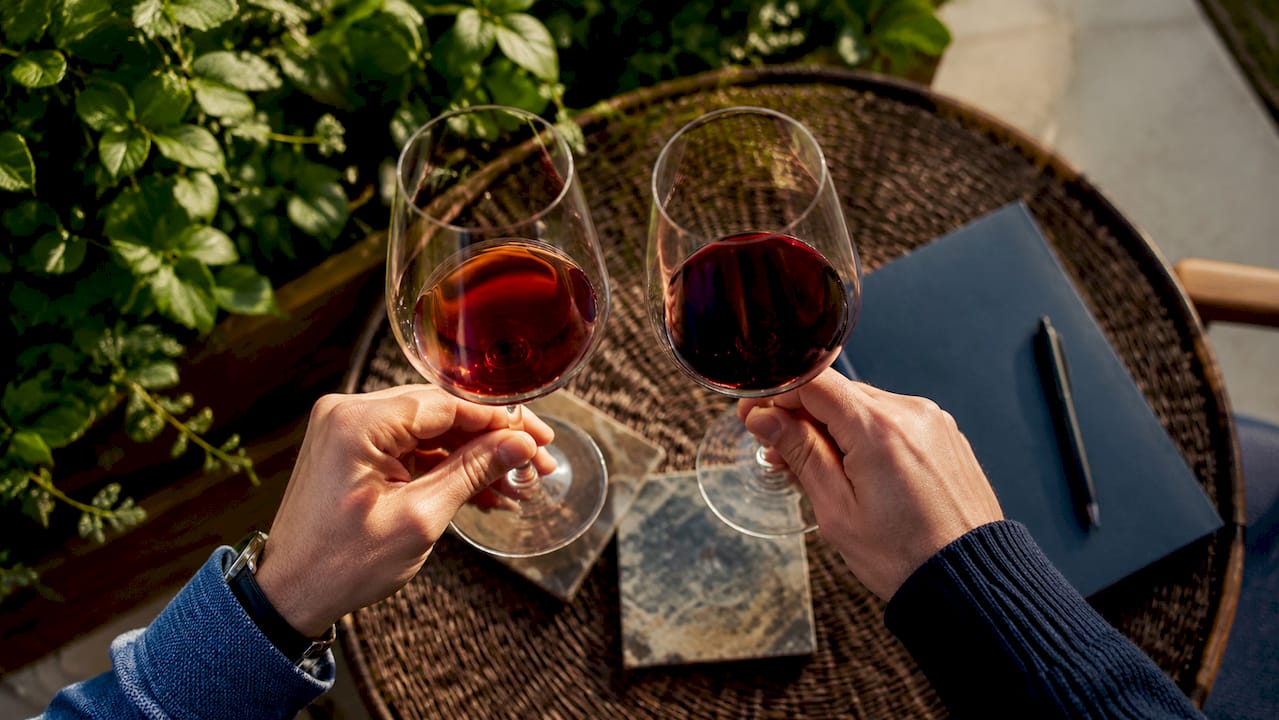
The industry term for this practice is simply a vertical tasting or vertical flight. The word “vertical” refers to moving through time, as if reading down a column of years. A minimum of three vintages is required to identify meaningful patterns, though the most revealing verticals span five to ten years or more. Winemakers themselves use vertical tastings to monitor cellar consistency and to communicate the story of their vineyard across different seasons to collectors and trade buyers.
Vertical vs horizontal tasting: what is the difference?
The distinction between vertical and horizontal tastings is precise and worth understanding clearly. A vertical tasting focuses on vintages from one producer, while a horizontal tasting compares different producers or regions from a single vintage. Each method isolates a different variable, and each answers a different question.
A horizontal tasting asks: “How does this vintage express itself across different terroirs or winemakers?” A vertical tasting asks: “How does this producer’s wine change across time?” Both are legitimate and rewarding, but they serve distinct purposes. The table below summarises the key differences.
| Feature | Vertical Tasting | Horizontal Tasting |
|---|---|---|
| Variable isolated | Vintage (time) | Producer or terroir |
| Wines compared | Same wine, multiple years | Multiple wines, same year |
| Primary focus | Wine evolution and ageing | Regional or stylistic comparison |
| Best for | Understanding a single producer | Comparing regions or styles |
| Typical bottle count | 3–10 vintages | 3–8 producers |
Controlling variables is the foundation of both formats. In a vertical tasting, sourcing bottles from the same producer and ideally the same vineyard parcel removes winemaking variation as a factor. This discipline is what makes the vintage differences so legible and so instructive.
How to conduct a vertical wine tasting
Planning a vertical tasting well in advance is the single most important step. The practical requirements are straightforward, but the details matter considerably.
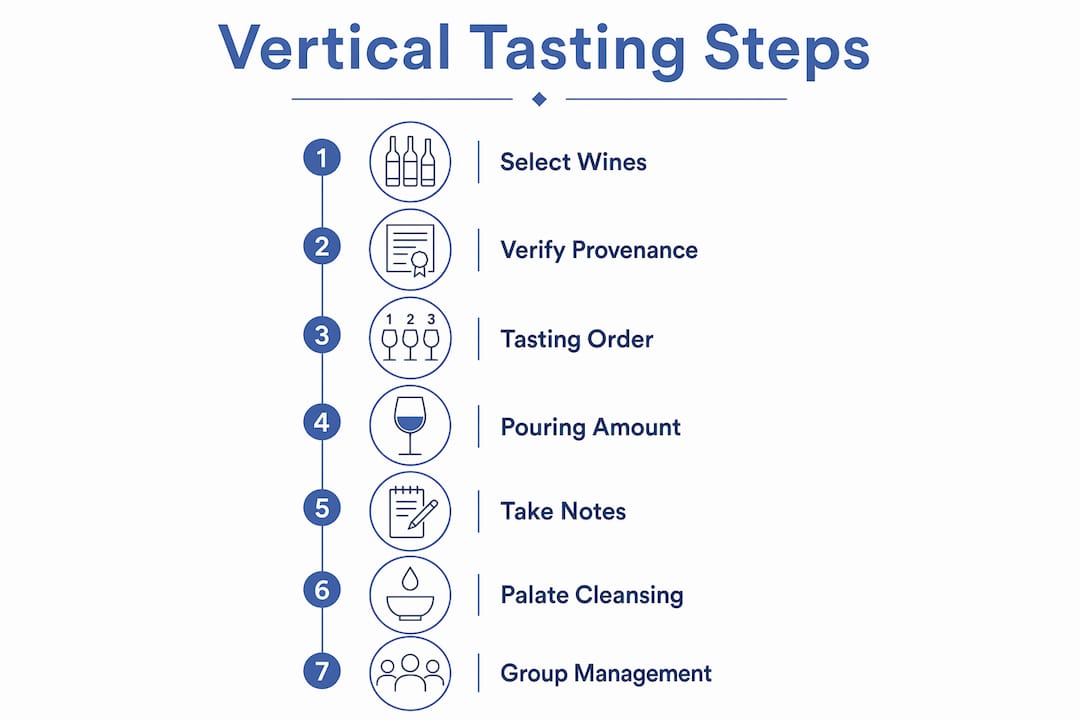
1. Select your wine and vintages. Choose an age-worthy variety with clear vintage expression. Cabernet Sauvignon from Napa Valley, Pinot Noir from Burgundy, Nebbiolo from Barolo, and Grenache-based blends from the Rhône Valley all reward vertical exploration. Aim for three to five consecutive or near-consecutive vintages as a starting point.
2. Source bottles with verified provenance. Inconsistent storage invalidates comparisons. A bottle stored in a warm garage for three years will taste nothing like one kept in a temperature-controlled cellar. Sourcing directly from a winery library or a reputable retailer with documented storage conditions is the most reliable approach.
3. Decide your tasting order. Professional tasters almost universally begin with the oldest vintage to protect palate freshness and give delicate aged wines the best chance of proper evaluation. Casual tastings sometimes move from youngest to oldest for a more narrative flow, tracing the wine’s development forward through time. Both sequences are valid. Choose one and remain consistent throughout the flight.
4. Pour conservatively. The recommended pour is approximately 2 ounces per glass per vintage. This allows at least two considered sips while preserving palate clarity for subsequent wines. Over-pouring is the most common mistake at home tastings and it compromises the entire flight.
5. Prepare your tasting notes. Provide guests with a simple notes sheet listing each vintage. Encourage observations on colour depth, aroma, fruit character, tannin structure, and finish. The differences between vintages become far more tangible when written down.
6. Use palate cleansers thoughtfully. Plain water and unsalted crackers between wines are sufficient. Avoid strong cheeses or charcuterie during the tasting itself, as these can mask the wine’s subtler qualities. Reserve food pairings for after the formal tasting.
7. Manage group size and timing. A group of around twelve people works well for discussion and logistics. Allow 30–60 minutes for the core tasting, with additional time for conversation and reflection.
Pro Tip: Arrange glasses in a row from oldest to youngest before guests arrive, with each glass labelled by vintage year. This visual presentation immediately communicates the concept and builds anticipation before a single drop is poured.
What are the benefits of a vertical wine tasting?
The benefits of vertical tastings extend well beyond the pleasure of drinking fine wine. They offer a structured and deeply satisfying form of sensory education.
Understanding vintage impact. Weather is the most powerful force in viticulture. A cool, wet growing season produces wines with higher acidity and more restrained fruit. A warm, dry year yields richer, more concentrated expressions. Tasting these differences side by side makes the concept of vintage variation tangible in a way that no book or lecture can replicate. The vintage effect becomes obvious and measurable when the same wine from two contrasting years sits in front of you.
Developing sensory vocabulary. Describing what you smell and taste is a skill that improves with deliberate practice. Vertical tastings force precise observation because the wines are so similar in origin yet so different in character. Tasters quickly learn to distinguish primary fruit aromas from secondary and tertiary notes that develop with age.
Making wine education accessible. The differences between vintages in a vertical flight are often dramatic and immediately perceptible, even to novices. This makes the format suitable for all knowledge levels. A guest who has never attended a formal tasting can still observe that the 2015 is darker and more opulent than the 2021, and that observation becomes the foundation for a richer conversation.
Deepening appreciation of a producer. Tasting a winemaker’s work across a decade reveals their philosophy, their consistency, and their response to adversity. A difficult vintage handled with grace tells you more about a producer’s skill than five consecutive perfect years.
“Vertical tastings turn wine from an abstract pleasure into a living document of place and time. Each vintage is a chapter, and together they tell a story no single bottle can.” — Aptent
Which wines and occasions suit a vertical tasting?
Not every wine rewards vertical exploration. The ideal candidate ages gracefully, expresses vintage variation clearly, and maintains its identity across years. The following varieties and regions consistently deliver compelling vertical experiences.
Bordeaux and Napa Cabernet Sauvignon are the classic choices. Both age for decades and show pronounced differences between warm and cool vintages. A vertical of a Pauillac or a Napa Valley estate Cabernet spanning ten years is a masterclass in how tannin softens and fruit evolves. Aptent’s curated wine cellar features selections from prestigious producers suited precisely to this kind of long-term exploration.
Burgundy Pinot Noir and Chardonnay reward vertical tasting with extraordinary nuance. The Burgundy appellations produce wines where the difference between a sun-drenched year and a cooler one is written clearly in the glass. Rhône Valley reds, particularly those built on Grenache and Syrah, also age beautifully and show vintage character with admirable clarity.
Barolo and Barbaresco from Piedmont are among the most age-worthy wines produced anywhere. Nebbiolo’s high tannin and acidity allow these wines to develop for twenty years or more, making them ideal for ambitious vertical flights.
Regarding occasions, vertical tastings suit a wide range of settings. Home tastings with a small group of enthusiasts are the most common format. Wine clubs and educational events benefit from the structured comparison. Winery library tastings, where the producer hosts guests through their own back catalogue, offer the most authoritative experience. For those planning a dedicated wine event, a wine safari experience can provide an inspiring framework for organising your own vertical programme.
Pro Tip: When budgeting, calculate the cost per person rather than per bottle. A vertical of five bottles shared among ten guests often costs less per head than a restaurant wine list, yet delivers a far richer experience.
Key takeaways
A wine vertical tasting is the most direct method available for understanding how vintage, climate, and time transform a single wine across years.
| Point | Details |
|---|---|
| Core definition | Taste the same wine from one producer across three or more vintages to isolate vintage effects. |
| Tasting order matters | Begin with the oldest vintage to preserve palate freshness for delicate aged wines. |
| Provenance is non-negotiable | Source bottles from verified, consistent storage to ensure valid comparisons. |
| Best wine candidates | Cabernet Sauvignon, Pinot Noir, Nebbiolo, and Grenache-based blends age well and show clear vintage variation. |
| Accessible for all levels | Vintage differences in a vertical flight are tangible and obvious, making the format rewarding for novices and experts alike. |
Aptent’s view: the misconceptions that hold people back
The most persistent misconception about vertical tastings is that they require either a vast cellar or an expert palate. Neither is true. Three bottles of a well-chosen Cabernet Sauvignon, sourced carefully and poured with discipline, will teach you more about wine in an evening than months of casual drinking.
The second misconception is that older automatically means better. A vertical tasting frequently reveals that a younger vintage outperforms an older one in a particular style or context. This is precisely the point. The format removes the hierarchy and replaces it with honest observation. You are not looking for the best wine. You are looking for the story.
What Aptent has observed, through years of curating fine wine experiences for discerning clients, is that the most memorable vertical tastings are the ones where the group arrives without fixed expectations. The guests who insist the 1998 must be superior because of its age are often the ones most delightfully surprised when the 2010 silences the table. That moment of recalibration, of having your assumptions gently overturned by what is actually in the glass, is the true gift of the format.
Hosting one well does not require a sommelier’s certification. It requires good bottles, honest provenance, a disciplined pour, and the willingness to pay attention. The rest follows naturally.
— Aptent
Discover aptent’s curated wines for your next vertical tasting
For those ready to move from curiosity to experience, Aptent has assembled a cellar of age-worthy wines from the world’s most prestigious producers, selected with vertical tasting in mind.
Aptent’s wine collection spans Burgundy, Bordeaux, the Rhône Valley, and beyond, with each bottle chosen for its capacity to age, evolve, and reward patient attention. Whether you are building your first vertical flight or adding depth to an established collection, the Aptent cellar offers the provenance and quality that serious tasting demands. Explore the full range at Aptent Gourmet and discover the wines that will define your next extraordinary evening.
FAQ
What is the minimum number of vintages for a vertical tasting?
A vertical tasting requires at least three vintages to reveal meaningful patterns. Consecutive or near-consecutive years from a single producer are preferred.
How does a vertical tasting differ from a horizontal tasting?
A vertical tasting compares one wine across multiple years. A horizontal tasting compares multiple producers from one vintage, isolating terroir or style rather than time.
Which order should you taste wines in a vertical flight?
Professional tastings begin with the oldest vintage to protect the palate for delicate aged wines. Casual tastings may move youngest to oldest for a narrative flow.
How much wine should you pour per person in a vertical tasting?
The recommended pour is approximately 2 ounces per glass, allowing at least two sips per vintage while keeping the palate clear for subsequent wines.
What wines are best suited to a vertical tasting?
Age-worthy varieties including Cabernet Sauvignon, Pinot Noir, Nebbiolo, and Grenache-based blends are ideal for vertical flights due to their capacity to develop clearly across vintages.


