
Piquillo peppers sauce: a silky, easy recipe for home cooks
Piquillo peppers sauce is a silky, sweet-smoky purée of roasted piquillo peppers emulsified with cream, mayonnaise or olive oil, seasoned with garlic, smoked paprika and a splash of sherry vinegar. The whole affair takes roughly 20 minutes and serves several generously as a sauce, dip or finishing drizzle. Piquillos themselves are a gentle, thin-walled pepper from northern Spain, sitting at a mild a mild heat level, which is why the sauce reads as sweet and smoky rather than fiery. Getting a truly luxurious result comes down to one technique: fully puréeing the peppers before you emulsify, so the fat binds into something glossy rather than grainy.
- Yield: serves several as a sauce or dip
- Total time: about 20 minutes
- Base: canned or jarred whole piquillo peppers, garlic, smoked paprika, sherry vinegar, and your choice of cream, mayonnaise or olive oil
At Aptent, we treat this sauce the way a Spanish larder treats piquillos themselves: as a small, precious thing worth doing properly, not rushing.
Key Takeaways
A silky piquillo pepper sauce depends on fully puréeing the peppers before emulsifying, balancing sweetness with sherry vinegar, and choosing fat and smoke levels to match the dish.
| Point | Details |
|---|---|
| Purée before emulsifying | Break peppers down completely first, then stream in fat slowly to avoid a grainy split sauce. |
| Balance with acid | Add sherry or red wine vinegar gradually and taste, since piquillos’ sweetness needs checking. |
| Match variation to dish | Use sherry mayo for seafood, tomato-piquillo for pasta, and smoky roasted for grilled meats. |
| Substitute smartly | Boost smoked paprika when swapping in plain roasted red peppers to replace missing smokiness. |
| Source quality ingredients | Aptent’s curated Spanish pantry range and caviar selection elevate this sauce for special occasions. |
Table of Contents
- How to make piquillo peppers sauce from scratch
- Three quick variations on the classic recipe
- Why acidity and emulsion technique matter most
- What to serve with piquillo pepper sauce
- Substitutions if you can’t find piquillo peppers
- Storing, freezing and reheating your sauce
- Why this sauce rewards a bit of patience
- Bring restaurant-quality Spanish flavour into your own kitchen
- Sources
How to make piquillo peppers sauce from scratch
This is the foundational version, the one worth committing to memory before you start improvising with tomato, smoke or mayonnaise.
Ingredients (serves 4):
- 1 jar or tin (about 200g drained weight) whole piquillo peppers
- 1 clove garlic, peeled
- 2 tablespoons extra virgin olive oil
- 1 teaspoon smoked paprika
- 1 tablespoon sherry vinegar
- ½ cup cream or ½ cup mayonnaise, whichever direction you’re leaning
- Sea salt, to taste
Prep time: 10 minutes prep time, 10 minutes cook time, serves several.
Method:
- Drain the piquillo peppers thoroughly and pat them dry with paper towel, since trapped brine dilutes the final flavour.
- Warm the olive oil in a small pan over low heat, then soften the garlic clove for a minute or two, just until fragrant, not coloured.
- Add the peppers to the pan and let them warm through gently for two to three minutes. This isn’t about cooking them further; it’s about coaxing their natural sugars forward.
- Transfer the warm peppers, garlic and pan oil to a blender or use a stick blender directly in the pan. Purée on high until the mixture is completely smooth, with no visible flecks of pepper skin.
- With the blender still running on a lower speed, stream in your cream or mayonnaise slowly. This is the emulsifying step that turns a purée into a proper sauce, thick enough to coat a spoon.
- Add the smoked paprika and sherry vinegar, blend briefly to combine, then taste and adjust the salt.
- Rest the sauce for five minutes before serving, uncovered, to let the smoke and acid settle into each other.
If you’d rather char your own peppers than reach for a jar, roast fresh red peppers whole in a hot oven or under a broiler until skins blister and blacken, turning occasionally until the skins blister and blacken. Transfer them straight into a bowl covered tightly with foil or plastic wrap to steam for some minutes. This loosens the skin dramatically, and the steam-and-peel method is genuinely the difference between fighting with stuck skin and having it slip off in one motion.
Pro Tip: Purée the peppers completely before you add any fat. A slow, steady stream of oil, cream or mayonnaise added while the blender runs stabilises the emulsion; adding fat too early, before the peppers break down fully, is the single most common cause of a grainy, split-looking sauce.
Three quick variations on the classic recipe
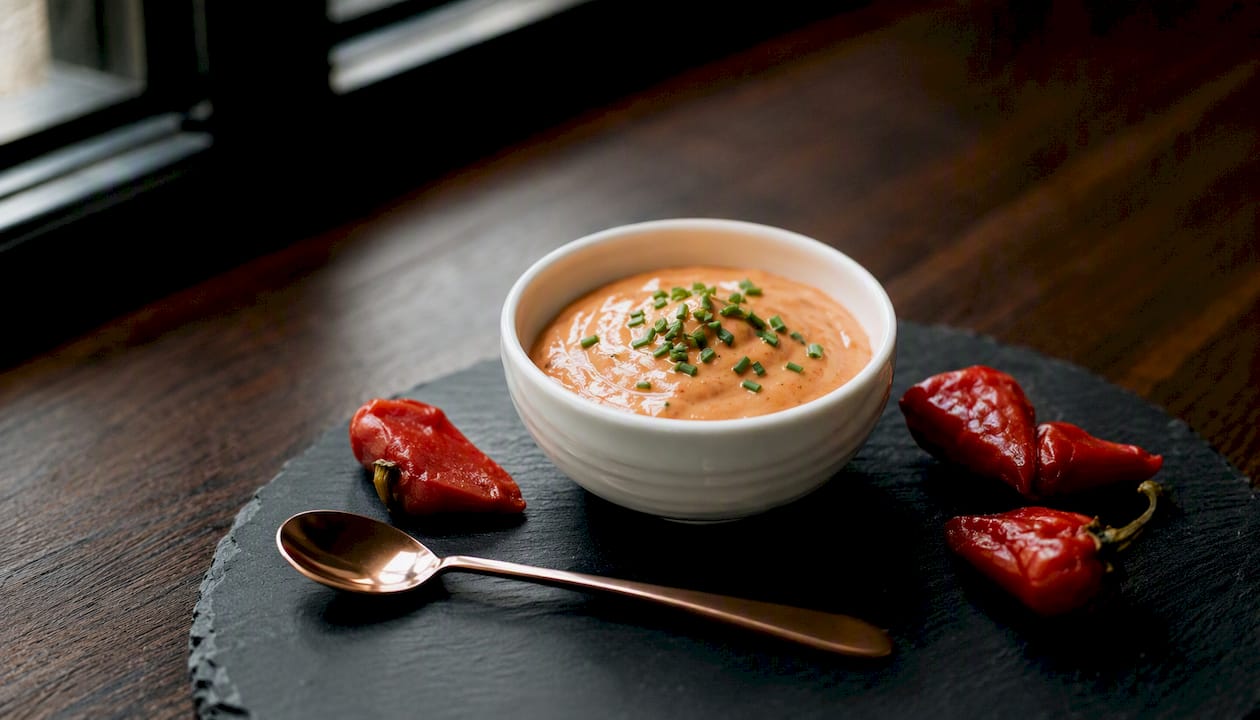
Creamy sherry-mayo version: fold mayonnaise into your puréed piquillos along with an extra teaspoon of sherry vinegar and a tablespoon of chopped parsley. The mayonnaise base wants that extra acidity to stop it tasting flat, and it’s the pairing this style is built around, crab cakes and prawns.
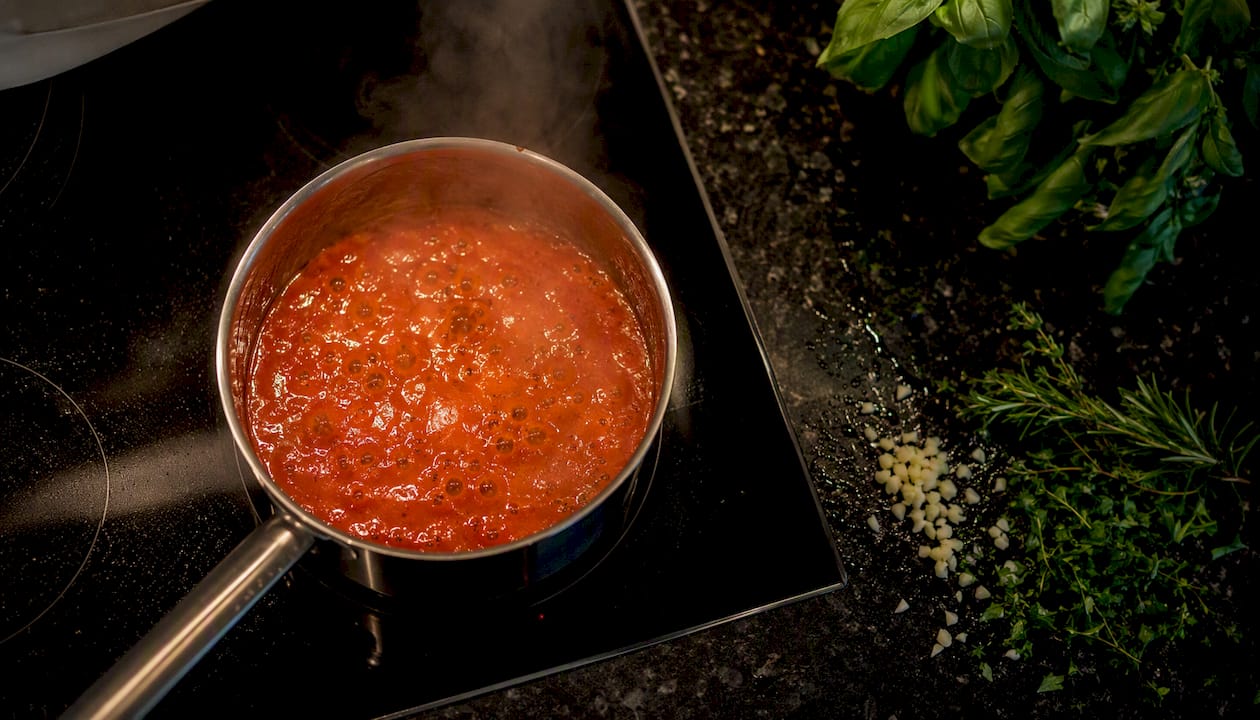
Tomato-piquillo version: blend your piquillo purée with 500g passata or crushed tomatoes at a roughly two-to-one tomato-to-pepper ratio, then simmer gently for five minutes to marry the flavours. This is the version built for pasta, tossed through short shapes or spread under a piece of roasted chicken.
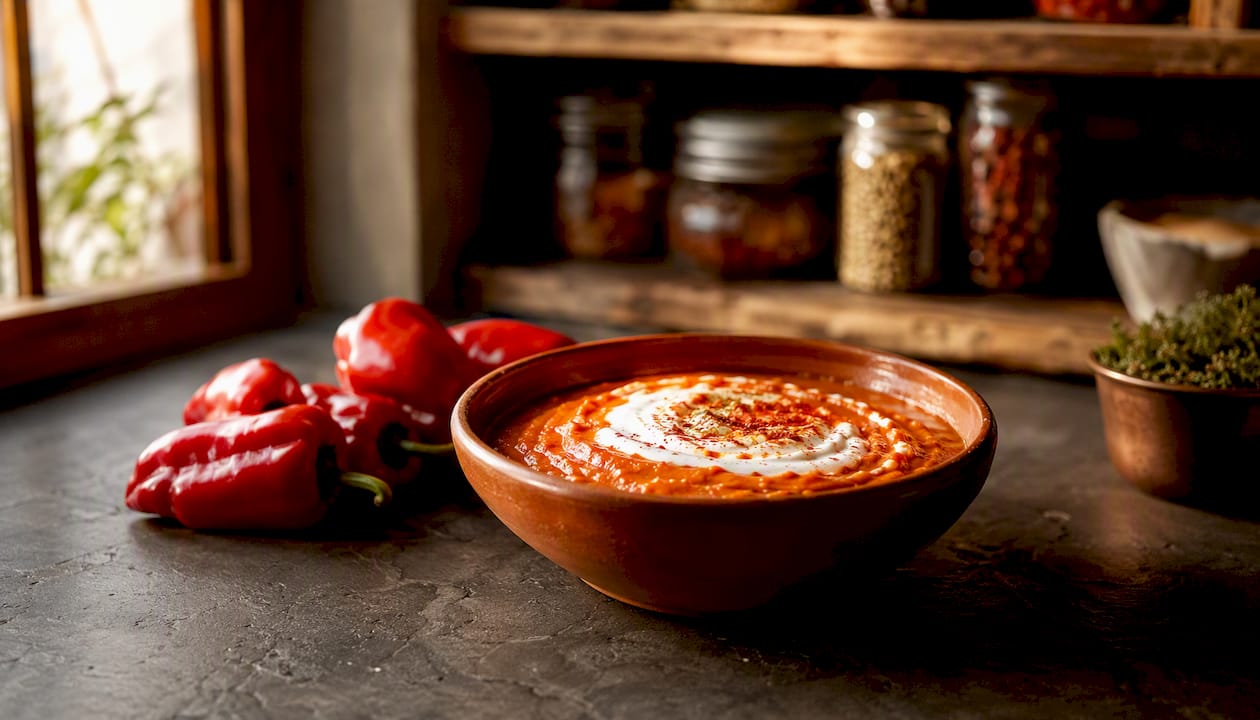
Smoky roasted version: increase the amount of smoked paprika, or add half a teaspoon of chipotle in adobo for genuine heat and depth, finishing with a spoon of cream or grated parmesan for richness. Reach for this one alongside grilled meats, where the char on the meat and the smoke in the sauce talk to each other.
Why acidity and emulsion technique matter most
Sweetness is piquillo peppers’ natural instinct, and unchecked, a sauce built purely from peppers, cream and oil tips into cloying territory fast. Acid is what stops that. A tablespoon of sherry vinegar or red wine vinegar per 200g of peppers trims the richness and lets the smoke read clearly instead of hiding under fat; taste before adding a second tablespoon, since piquillos vary in natural sweetness jar to jar.
Emulsion is the other half of the equation. Whether you’re working with cream, mayonnaise or straight olive oil, the same rule applies: peppers must be fully broken down, with zero visible skin flecks, before fat goes in. A stick blender in a narrow jug gives you more control for small batches than a wide countertop blender does.
- Use sherry vinegar for the classic Spanish profile; red wine vinegar or lemon juice both work as substitutes.
- Add fat slowly, blending continuously, for a stable emulsion rather than a split one.
- Increase smoked paprika gradually if you’re chasing a deeper, campfire-style smoke.
Pro Tip: Let the finished sauce rest for five to ten minutes before your final seasoning check. The smoked paprika needs a moment to bloom into the fat, and a sauce tasted immediately off the blender often reads saltier and sharper than it will once it settles.
What to serve with piquillo pepper sauce
This sauce earns its keep as a dip, a dressing and a finishing drizzle, all in the same afternoon.
- Grilled prawns or crab cakes, spooned generously over the top
- Grilled chicken or steak, as a smoky finishing sauce
- Tapas boards, alongside manchego and jamón
- Crostini or toasted sourdough, spread thick
- Tossed through short pasta shapes, thinned slightly with pasta water
- As a dip, with crusty bread or crudités
For dips, allow two to three tablespoons per person; for pasta, roughly a quarter cup of sauce per serving of dried pasta. For something genuinely special, a small spoonful of caviar or a curl of cured fish over a crostini spread with piquillo sauce turns a simple starter into something worth lingering over. Use it sparingly here; the point is a whisper of luxury, not competition with the sauce itself.
Substitutions if you can’t find piquillo peppers
Jarred roasted red peppers are the closest stand-in, though they lack piquillos’ natural smokiness, so add an extra ¼ to ½ teaspoon of smoked paprika per jar to compensate. Fresh red bell peppers work too, roasted and peeled using the steam method above, though they run sweeter and less complex.
- Chipotle in adobo or a pinch of smoked salt for extra heat and genuine wood-fire character.
- Silken tofu or soaked cashews in place of cream or mayonnaise, for a fully vegan, dairy-free result.
- Strain the purée through a fine sieve if a substitute pepper leaves the sauce thinner or more watery than the original.
Storing, freezing and reheating your sauce
Piquillo pepper sauce keeps in an airtight container in the fridge for several days. It freezes reasonably well for some weeks, though cream-based versions can separate slightly on thawing.
- Freeze in small, flat portions so it thaws quickly and evenly.
- Thaw overnight in the fridge, never at room temperature.
- Re-blend briefly with a stick blender if the emulsion has separated after freezing.
- Reheat gently over low heat, never at a boil, and check the seasoning once warm since chilling mutes both salt and acid.
Why this sauce rewards a bit of patience
The difference between a good piquillo sauce and a forgettable one usually isn’t the recipe, it’s the peppers and the ten extra seconds of blending most people skip. Well-sourced piquillos, the kind Aptent curates alongside its Spanish pantry staples, carry more natural sweetness and less bitterness than a bargain tin, and that shows up in the final bowl. Technique closes the rest of the gap.
Bring restaurant-quality Spanish flavour into your own kitchen
Aptent gives home cooks a shortcut to the ingredient quality that separates a good piquillo sauce from an extraordinary one, without the guesswork of hunting through supermarket aisles for authentic Spanish pantry staples.

Where a generic jar from the shelf gives you inconsistent sweetness and thin, watery flesh, Aptent’s curated gourmet range is built around producers chosen for exactly the qualities this recipe depends on: depth, natural sugar and clean smoke. If you’re building out a fuller tapas spread or a special dinner around this sauce, pieces like premium anchovies or a spoonful of signature caviar turn a home-cooked sauce into a genuinely luxurious plate. For entertaining at scale, Aptent’s gourmet events service pairs wine and caviar experiences with exactly this kind of refined, ingredient-led cooking. Browse the full gourmet range and start sourcing the ingredients worth building a menu around.
Sources
- Piquillo pepper sauce - PepperScale
- Piquillo pepper sauce Recipe - Los Angeles Times
- Roasted pepper sauce for pasta or chicken recipe | Good Food
- Roasted Red Pepper Sauce Recipe - Chili Pepper Madness


