
How champagne vintage is chosen for gifts
Vintage Champagne is defined as sparkling wine produced exclusively from grapes harvested in a single exceptional year, chosen deliberately by the cellar master to reflect that year’s unique climate and terroir. Understanding how champagne vintage is chosen for gifts separates a thoughtful, memorable gesture from a generic bottle of bubbles. The vintage declaration is not an annual event. It is a rare, considered act of quality assurance, and that rarity is precisely what gives vintage Champagne its prestige as a gift for milestone occasions, anniversaries, and corporate tributes.
What sets vintage Champagne apart from non-vintage for gifts?
Vintage Champagne is born from grapes of a single harvest year, reflecting the distinctive character of that season’s climate and terroir. Non-vintage Champagne, by contrast, is blended from multiple years to maintain a consistent house style and is crafted for immediate enjoyment. That consistency is a virtue in its own right, but it does not carry the narrative weight that makes a gift feel singular.
The practical difference for gift shoppers is significant. Vintage Champagne is typically more expensive due to rarity and longer ageing requirements. Non-vintage moves through the market in far greater volume, which keeps prices accessible and availability reliable. For most everyday gifting, non-vintage is the sensible choice. For a milestone birthday, a significant anniversary, or a high-value client gift, vintage earns its premium.
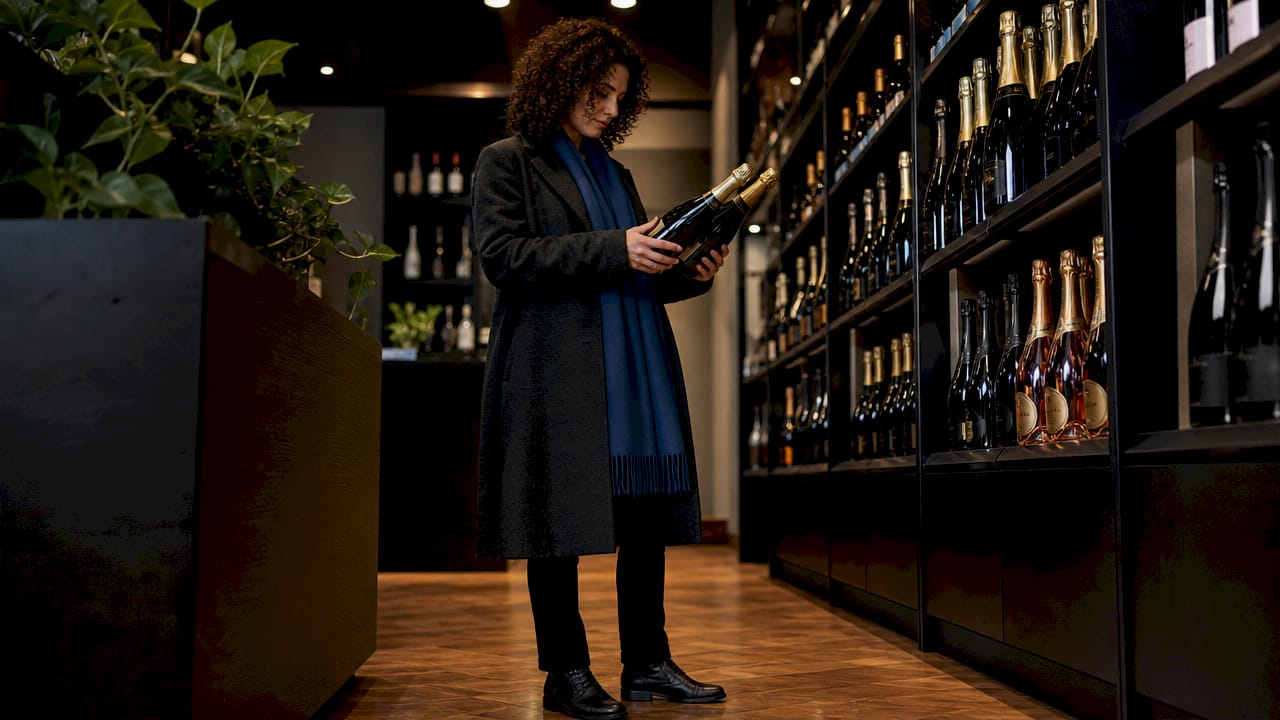
Ageing is where the flavour distinction becomes most vivid. Vintage Champagnes develop layers of toasty brioche, dried fruit, and nutty richness that non-vintage expressions rarely achieve. The extended time on lees deepens complexity and adds a textural creaminess that discerning palates recognise immediately. That sensory depth is part of what the gift recipient is receiving, not just a bottle, but a record of a remarkable year.
Pro Tip: If the recipient is new to Champagne, a prestigious non-vintage from a well-regarded house often delivers more immediate pleasure than a vintage that still needs time to open up.
| Feature | Vintage Champagne | Non-vintage Champagne |
|---|---|---|
| Grape source | Single exceptional harvest year | Blend of multiple years |
| Production frequency | Rare, declared selectively | Produced annually |
| Ageing profile | Extended, develops complexity | Ready for immediate enjoyment |
| Gift occasion | Milestones, collectors, VIP clients | Celebrations, casual gifting |
| Price point | Higher due to rarity | More accessible |
How does a cellar master declare a vintage?
Declaring a vintage is a deliberate act by the cellar master signalling a superior quality year. It is not an annual practice, and that restraint is what preserves the integrity of the designation. The cellar master assesses the harvest against strict criteria: grape ripeness, sugar levels, acidity balance, and the overall character that the year’s weather has imprinted on the fruit.
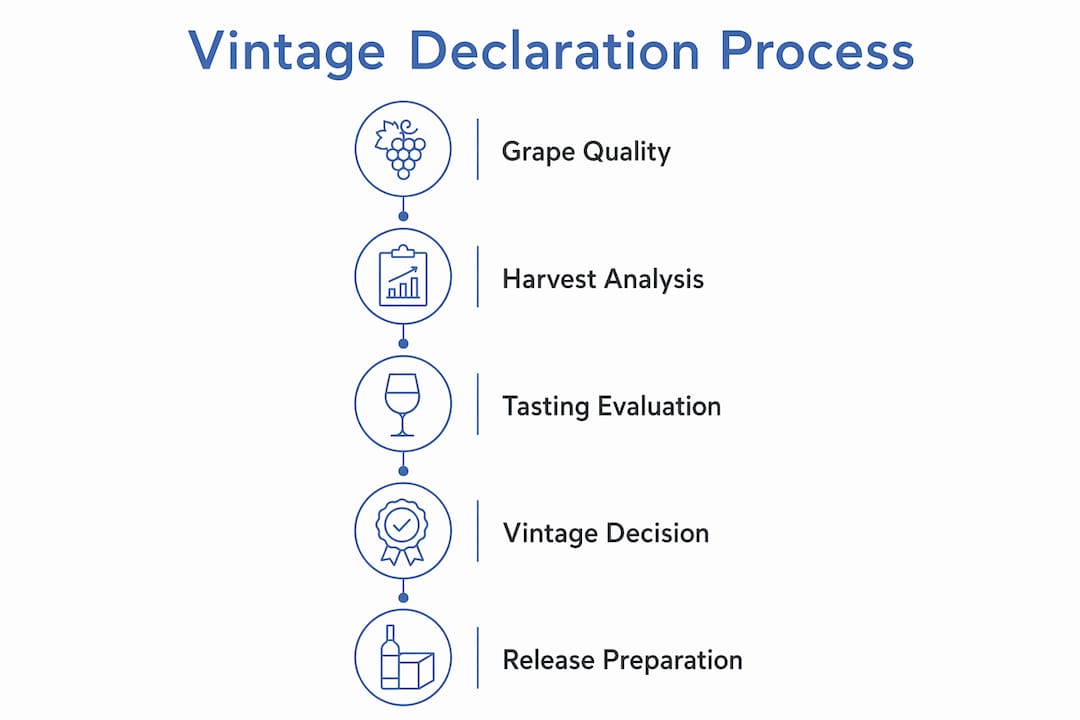
Appellation rules in Champagne set minimum ageing requirements for vintage wines, typically longer than those applied to non-vintage cuvées. These rules exist to protect quality and ensure that a bottle labelled as vintage has had sufficient time to develop its full character. The declaration process, combined with these ageing minimums, means that a vintage Champagne reaching the market represents years of patient refinement.
For gift shoppers, the vintage declaration functions as a quality signal worth understanding. When a cellar master chooses to declare a vintage, they are staking the house’s reputation on that year’s exceptional character. The following points capture what that declaration means in practice:
- The harvest produced grapes of outstanding ripeness and balance, not merely adequate quality.
- The cellar master judged the wine capable of developing greater complexity with extended ageing.
- The house chose to set aside a portion of that harvest rather than blend it into the non-vintage reserve.
- The resulting wine carries a year on the label, making it traceable, collectible, and narratively rich as a gift.
- The rarity of declaration years, sometimes skipping several consecutive harvests, adds genuine scarcity value.
This scarcity is not manufactured. It reflects the honest reality that exceptional harvests are not produced every year. That honesty is part of what makes a vintage Champagne gift feel genuinely considered rather than simply expensive.
How to pick the right vintage Champagne gift
Choosing the right vintage Champagne gift requires matching the wine’s character and readiness to the occasion and the recipient’s preferences. A bottle that needs another decade in the cellar is a poor gift for someone who plans to open it at dinner next week. Equally, a wine that has already peaked is a missed opportunity for a collector who would have treasured it at its height.
The following steps provide a practical framework for selecting vintage Champagne gifts with confidence:
-
Assess the recipient’s knowledge and taste. Brand recognition often matters more than cellar nuance for gift recipients who may notice the house name first. Classic labels from well-regarded houses carry immediate prestige for recipients who are not deep enthusiasts. For a true connoisseur, a boutique grower vintage from a celebrated year will resonate far more deeply.
-
Research the vintage year’s reputation. Not all vintage years behave the same. Some are ready to drink early, while others require extended cellaring to reach full complexity. A quick review of vintage charts or a conversation with a trusted retailer will clarify whether the bottle is ready now or better suited to a gift for someone who collects.
-
Match the occasion to the vintage’s prestige. Vintage Champagne status adds genuine prestige to a gift, making it particularly suitable for milestone birthdays, anniversaries, and client tributes. Birth year vintages carry sentimental weight but can be costly and harder to source, so plan well ahead if that is the intention.
-
Consider bottle format. Magnum bottles age more evenly and slowly, making them preferred by connoisseurs for gifts aimed at cellaring. A standard 75cl bottle is more practical for immediate consumption and easier to present elegantly.
-
Purchase early during peak seasons. Supply of vintage Champagne is narrower than non-vintage, requiring early purchase to ensure availability. This is especially critical during peak gifting periods such as Christmas and wedding season, when desirable vintages sell through quickly.
-
Balance prestige with practical value. The best vintage Champagne purchase balances occasion suitability, storage condition, house trustworthiness, and timing rather than simply chasing the highest price. A considered purchase ensures the gift feels appropriate, not merely costly.
Pro Tip: When gifting to a corporate client or someone whose palate you do not know well, pair a recognisable house name with a well-regarded vintage year. The combination of familiar prestige and documented quality removes all ambiguity about the gift’s calibre.
Common mistakes when buying vintage Champagne gifts
The most frequent error gift shoppers make is assuming that vintage automatically means better. Vintage status signals an exceptional harvest, but it does not guarantee that the wine is ready to drink at the moment of gifting. A bottle that is still tightly wound and austere will disappoint a recipient expecting the lush, toasty character that vintage Champagne is celebrated for.
Several other pitfalls are worth avoiding:
- Neglecting provenance and storage. A vintage Champagne that has been stored poorly loses its character regardless of the year on the label. Purchase from a trusted retailer who can confirm proper cellar conditions throughout the wine’s life.
- Buying blind on vintage reputation alone. A celebrated year does not guarantee that every producer’s expression of it is equally fine. The house’s approach to that harvest matters as much as the harvest itself.
- Ignoring timing and stock limitations. Vintage Champagne supply is limited. Leaving the purchase until the week before a significant occasion risks finding that the desired bottle is no longer available.
- Overpaying for rarity without value fit. A trophy vintage from a legendary year is a magnificent gift for a collector. For a recipient who will open it at a casual dinner, that level of investment may not translate into a proportionally better experience.
- Overlooking the gifting presentation. The finest vintage deserves presentation that matches its quality. A beautifully packaged bottle with a note explaining the vintage year and its significance transforms a purchase into a story.
The guiding principle is that the gift should serve the recipient, not the giver’s desire to impress. A well-chosen vintage from a reliable house, purchased at the right time and presented with care, will always outperform a more expensive bottle chosen carelessly.
Key takeaways
The most effective approach to choosing vintage Champagne gifts is to match the wine’s readiness, the house’s reputation, and the occasion’s significance before considering price.
| Point | Details |
|---|---|
| Vintage is declared selectively | Cellar masters declare a vintage only in exceptional harvest years, making each one genuinely rare. |
| Readiness determines occasion fit | Research the vintage year to confirm whether the wine is ready to drink now or suited to cellaring. |
| Recipient knowledge shapes the choice | Classic house labels suit most recipients; boutique grower vintages reward true enthusiasts. |
| Bottle format affects ageing | Magnums age more evenly and suit gifts intended for cellaring; standard bottles suit immediate occasions. |
| Timing and sourcing are critical | Purchase early from a trusted retailer, particularly during peak gifting seasons, to secure the best bottles. |
Aptent’s perspective on the art of the vintage gift
There is a tendency among gift shoppers to treat the vintage year as the primary measure of a Champagne’s worth. The year matters, but it is only one part of a more nuanced picture. What Aptent has observed, through years of curating premium selections for discerning clients, is that the most memorable vintage gifts are chosen with the recipient’s palate and the occasion’s emotional weight in mind, not the vintage’s market value.
The balance between prestige and practicality is where gifting decisions most often go wrong. A legendary vintage from a celebrated house is a magnificent gesture, but only if the recipient will appreciate it at the right moment. Gifting a wine that needs a decade of cellaring to someone who will open it that evening is a mismatch, however impressive the label. Conversely, gifting a modest vintage to a serious collector who would have treasured a rarer expression is an opportunity missed.
Aptent’s recommendation is to treat the vintage selection as a conversation with the recipient’s world, their tastes, their occasion, and their relationship with Champagne. Pair that understanding with guidance from a trusted gourmet source and the result is a gift that carries genuine meaning. The finest vintage Champagnes are not just wines. They are records of a remarkable year, and a well-chosen bottle communicates that the giver understood exactly what they were offering.
— Aptent
Premium vintage Champagne gifts, curated by Aptent
Aptent’s curated selection of boutique vintage Champagnes brings together exceptional bottles from prestigious grower houses, sourced with the same rigour that the cellar masters apply when declaring a vintage year. Each bottle in the collection is chosen for its provenance, its drinking readiness, and its suitability for the occasions that matter most.
For those seeking a gift of genuine opulence, Aptent also offers the opportunity to pair a vintage Champagne with Oscietre Signature Caviar, creating a gift experience that speaks directly to the refined palate. Explore Aptent’s grand cru and rare cuvée collection to find the vintage that matches your occasion, your recipient, and the standard of excellence they deserve.
FAQ
What is vintage Champagne?
Vintage Champagne is sparkling wine produced from grapes harvested in a single exceptional year, declared by the cellar master as a superior quality harvest. It is not produced every year, which is what distinguishes it from non-vintage blends.
How does vintage affect Champagne taste?
Vintage Champagnes develop greater complexity over time, with toasty, nutty, and dried fruit characteristics that non-vintage expressions rarely achieve. The specific flavour profile depends on the harvest year’s climate and the house’s winemaking approach.
When should I choose vintage over non-vintage for a gift?
Vintage Champagne suits milestone occasions such as significant birthdays, anniversaries, and high-value corporate gifts. For general celebrations or recipients who are not dedicated enthusiasts, a well-regarded non-vintage is often the more reliable and immediately enjoyable choice.
How do I know if a vintage Champagne is ready to drink?
Research the vintage year using a reputable vintage chart or consult a trusted retailer. Some years produce wines that are approachable young, while others require extended cellaring before they reach their full complexity and character.
Why does bottle size matter for vintage Champagne gifts?
Magnum bottles age more evenly and slowly than standard 75cl bottles, making them the preferred format for gifts intended for cellaring. Standard bottles are more practical and easier to present for occasions where the wine will be opened soon after gifting.


