
How cuvée wine is made: the complete guide
Cuvée wine is, at its heart, a carefully assembled blend of selected base wines, crafted by a winemaker to achieve a specific flavour profile, balance, and character that no single grape or vineyard could produce alone. The term itself derives from the French word cuve, meaning vat or tank, and its application in winemaking spans everything from the first-pressed juice prized for its purity and acidity to a deliberate marriage of multiple varieties, vintages, or vineyard parcels. Understanding how cuvée wine is made requires tracing a process that is equal parts science and artistry.
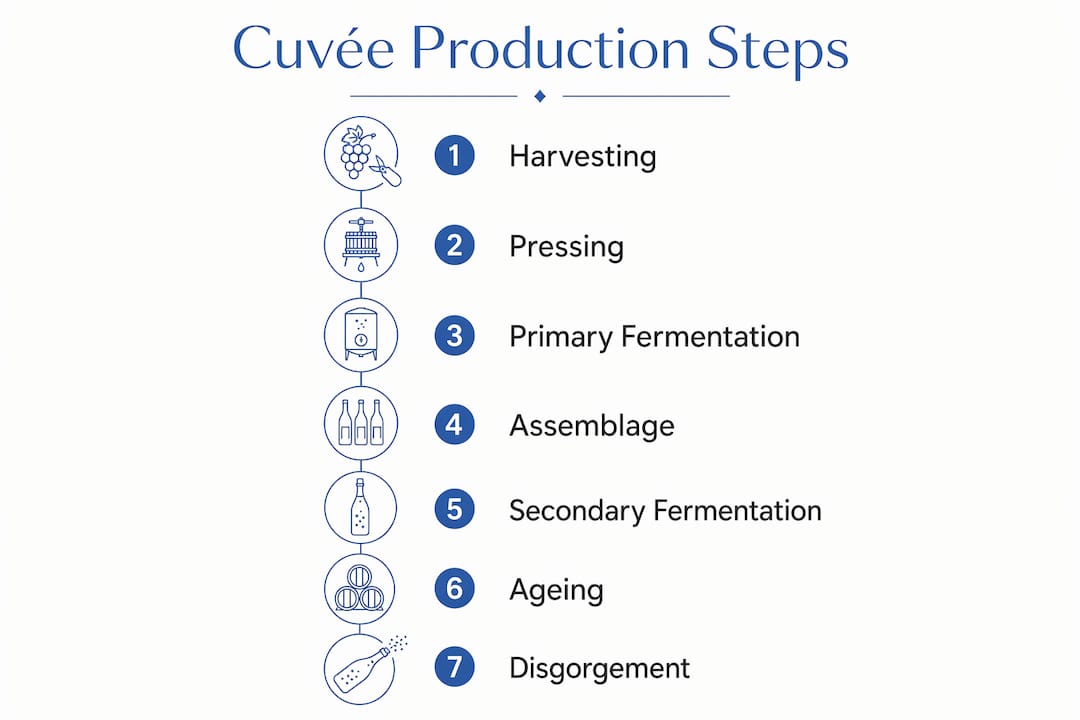
The cuvée wine production process, in its most essential form, follows these stages:
- Harvesting and gentle pressing of grapes to extract the finest juice
- Primary fermentation, converting natural sugars into alcohol to produce base wine
- Assemblage, the blending of multiple base wines for complexity and balance
- Secondary fermentation in bottle or tank (for sparkling cuvée), creating carbonation
- Ageing on lees, disgorgement, and dosage where applicable
Where does the word ‘cuvée’ actually come from?
The word cuvée carries centuries of winemaking history within its two syllables. Rooted in the French cuve (vat or tank), the term originally described any batch of wine held in a vessel, but its meaning evolved considerably as blending became a deliberate craft rather than a practical necessity. In the great houses of Bordeaux, winemakers began assembling different grape varieties to produce wines of greater complexity than any single variety could offer. Champagne producers took this further, developing the practice of blending wines from multiple villages and vintages to maintain a consistent house style year after year.
Historically, the term also carried a very specific technical meaning in sparkling wine production: the first-pressed juice from a marc of grapes, considered the purest and most refined portion, distinct from the coarser juice that followed. Many Champagne producers still pride themselves on using only this first-cut juice in their finest wines. Outside France, particularly in regions like Australia, cuvée evolved into a broader descriptor, often signalling a blend of multiple varieties rather than a single-varietal wine. Because the term carries no legal definition beyond specific appellations, its meaning today ranges from a prestigious prestige cuvée to a straightforward marketing label.
How cuvée wine is made, step by step
The production of a fine cuvée demands precision at every stage, from the vineyard to the bottle.
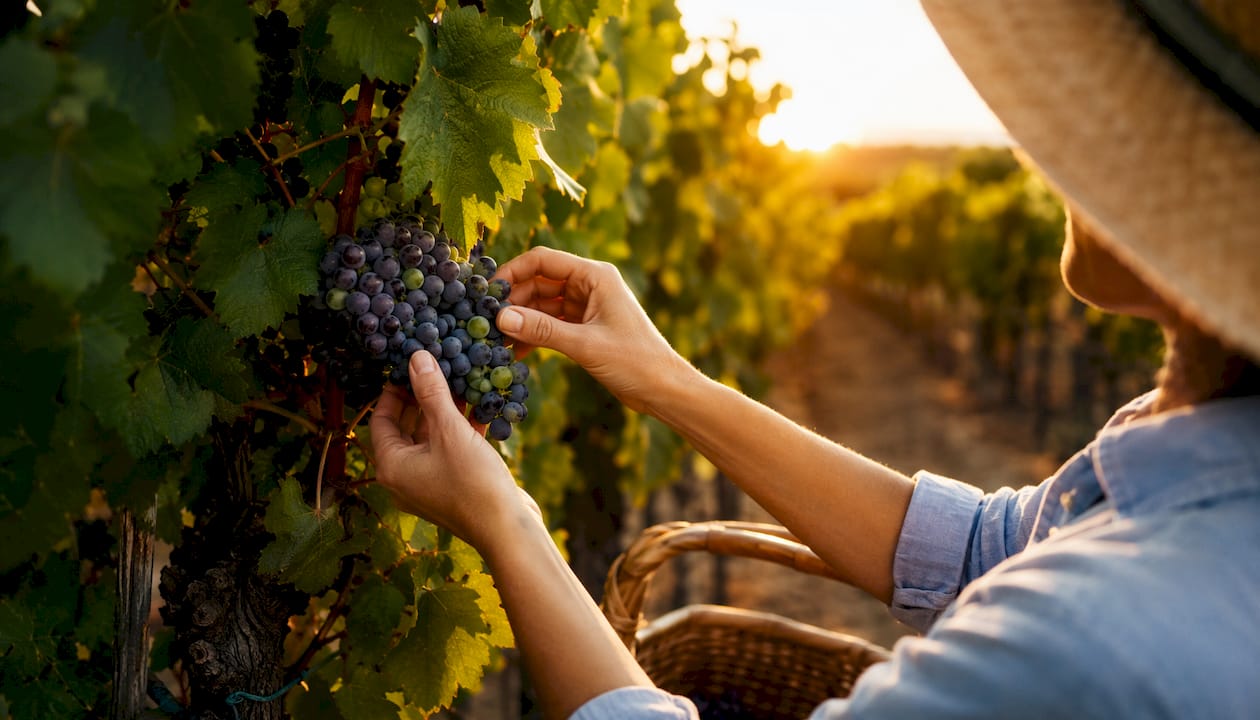
1. Harvesting Grapes are harvested at optimal ripeness, often by hand for premium cuvées, to preserve the integrity of each berry. Timing is everything: the balance of sugar and acidity at harvest shapes the character of the final wine.
2. Gentle pressing Grapes are pressed carefully, with the first-run juice, known as the cuvée in traditional sparkling wine production, prized for its acidity and purity. This juice contains fewer bitter phenolics than the juice extracted under greater pressure, giving it a finer, more delicate quality.
3. Primary fermentation The juice undergoes primary fermentation, where yeasts convert natural sugars into alcohol, producing the base wine. Each grape variety, vineyard parcel, or tank lot is typically fermented separately, preserving its individual character for the blending stage.
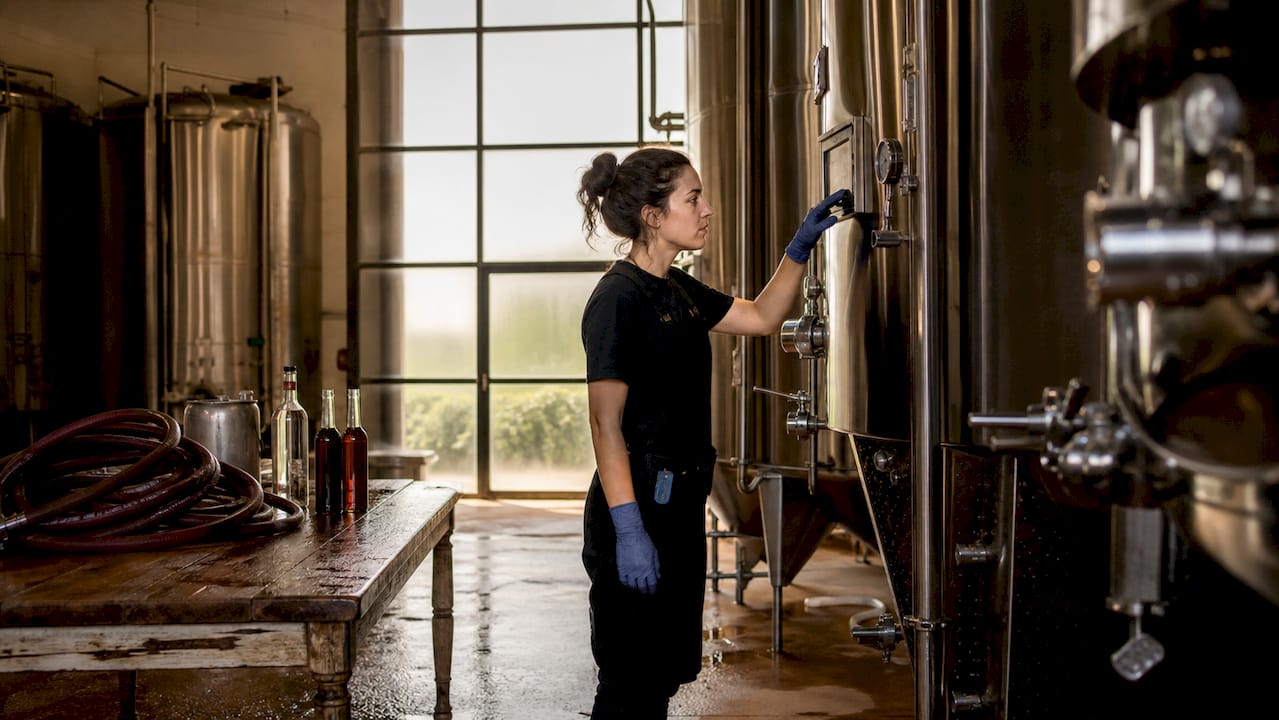
4. Assemblage (blending) Assemblage is where the winemaker’s vision takes form. Dozens of individual base wines are tasted and evaluated, then combined in carefully considered proportions to achieve harmony across acidity, tannin, and alcohol. As Curtis Family Vineyards describes it, skilled blending creates a final wine that is greater than the sum of its parts. For sparkling cuvée, the assembled blend must also be composed in accordance with the International Organisation of Vine and Wine (OIV) standards, which define the cuvée as the product destined for secondary fermentation.
5. Secondary fermentation (sparkling cuvée) For sparkling wines, the blended cuvée is combined with a tirage liqueur, a mixture of sugar and yeast, then bottled and sealed. Secondary fermentation occurs in the bottle, producing carbon dioxide that dissolves into the wine, creating its characteristic effervescence.
6. Ageing on lees The wine rests on its spent yeast cells (lees) for a period that varies by style and producer ambition. This contact imparts the toasty, biscuity complexity associated with fine sparkling cuvées.
7. Disgorgement and dosage Sediment is removed through disgorgement, and a small dosage of wine and sugar is added to achieve the desired sweetness level before final corking.
What does ‘cuvée’ actually mean on a wine label?
The term cuvée appears across a remarkable range of wine styles, and its meaning shifts depending on context. Understanding these distinctions helps you read a label with genuine discernment.
- Blend or batch: In most still wine contexts, cuvée simply denotes a specific blend or selected batch, often a producer’s finest selection from a given vintage.
- First-press juice: In traditional sparkling wine production, cuvée refers specifically to the first and finest portion of pressed juice, distinct from the coarser juice that follows.
- Prestige designation: Terms like cuvée spéciale or tête de cuvée signal a producer’s top-tier offering, though neither carries a legal guarantee of quality.
- Sweetness versus blend: “Brut” describes the sweetness level of a sparkling wine (very dry), while “cuvée” describes its composition. A wine can be both a cuvée and a brut simultaneously.
- White, red, and sparkling: Cuvée applies across all colours and styles. A white cuvée might blend Chardonnay with Pinot Gris; a red cuvée might marry Shiraz with Grenache and Mourvèdre.
- Unregulated outside appellations: Beyond specific regions like Champagne, the term carries no legal definition, so its presence on a label alone tells you little about quality.
Pro Tip: When you encounter “cuvée” on an Australian label, look for the producer’s track record and the specific blend composition rather than treating the word itself as a quality guarantee.
What experts say about interpreting cuvée
“The cuvée is the ‘first-cut’ juice, prized for its purity and acidity — a key quality factor in traditional Champagne-style production.” — Zak Miller, as cited by Wine Enthusiast
The blending process that defines a great cuvée is, by any measure, an artform. Top winemakers conduct extensive trials across many individual tank lots, tasting and adjusting ratios until the assembled wine achieves the delicate equilibrium that defines their house style. This consistency across vintages is itself a mark of mastery; maintaining a recognisable character when the raw material changes every year demands both a refined palate and an intimate knowledge of each component wine.
The absence of regulation outside specific appellations creates genuine risk for consumers. Because any producer may use the word cuvée on a label without meeting a defined standard, the term can function as pure marketing. Discerning producers who offer both standard blends and wines they designate as cuvée typically reserve the term for their superior selections, but this is a matter of producer integrity rather than legal obligation. Assessing the reputation of the producer and seeking out specific blend information on the back label remains the most reliable way to gauge what a cuvée actually represents.
Which grape varieties appear most often in Australian cuvée wines?
Australian cuvée wines draw on the country’s remarkable viticultural diversity. For sparkling cuvées made in the traditional method, Chardonnay and Pinot Noir dominate, mirroring the classic Champagne model, with Pinot Meunier sometimes added for roundness and early approachability. The Yarra Valley and Adelaide Hills produce particularly elegant expressions of these varieties, where cooler temperatures preserve the acidity that gives sparkling cuvée its lift and longevity.
For still red cuvées, the Rhône varieties reign: Grenache, Shiraz, and Mourvèdre (often labelled GSM) form the backbone of many celebrated blends from the Barossa Valley and McLaren Vale. Cabernet Sauvignon and Merlot blends, drawing on the Bordeaux tradition, appear frequently in Margaret River, where the maritime climate produces grapes of exceptional structure. White cuvées often combine Semillon and Sauvignon Blanc, a pairing with deep roots in both Bordeaux and the Hunter Valley.
How does Australian region shape cuvée production?
Geography plays a defining role in the character of any Australian cuvée. The Champagne Cuvée 1887 Brut style finds its closest Australian parallel in the cool-climate regions: the Yarra Valley in Victoria, the Adelaide Hills in South Australia, and Tasmania, where long, cool growing seasons produce the high-acidity base wines that sparkling cuvée demands. Winemakers in these regions often blend across multiple sub-regions to achieve the complexity and consistency that a single site cannot guarantee.
Warmer inland regions like the Barossa Valley and McLaren Vale lend themselves to richly structured red cuvées, where the heat concentrates flavour and produces the generous fruit weight that defines the Australian style. Margaret River occupies a middle ground, its Mediterranean climate producing wines of both ripeness and restraint, ideal for Bordeaux-style blends. The diversity of Australian terroir means that cuvée production here is genuinely varied, with producers making deliberate choices about which regions to blend and why.
How do you assess quality in an Australian cuvée?
Quality in an Australian cuvée is not signalled by the word itself but by a constellation of other indicators. Provenance matters: wines sourced from recognised premium regions such as the Yarra Valley, Margaret River, or the Adelaide Hills carry an implicit quality benchmark rooted in the terroir. Vintage transparency is another reliable signal; producers who disclose the component vintages and varieties on the label demonstrate confidence in their blend’s integrity.
Australia’s Geographical Indications (GI) system, administered by Wine Australia, provides a framework for regional claims on labels, though it does not regulate the term cuvée specifically. A wine labelled with a recognised GI, such as “Barossa Valley” or “Margaret River,” must contain at least 85% fruit from that region, giving the regional claim genuine meaning. For sparkling cuvées, the method of production (traditional method versus tank method) is a further quality indicator, with traditional method wines generally commanding greater prestige.
What flavour profiles define Australian cuvée wines?
Australian sparkling cuvées from cool-climate regions tend toward citrus, green apple, and brioche, with a mineral freshness that reflects the high-acidity base wines from which they are made. Extended lees ageing adds layers of toasted almond and cream, producing the kind of textural complexity that rewards slow, attentive drinking. Warmer-region sparkling cuvées lean toward stone fruit and tropical notes, with a rounder, more generous palate.
Red cuvées from the Barossa and McLaren Vale deliver dark berry fruit, chocolate, and spice, with the Shiraz component typically providing depth and the Grenache adding a lifted, perfumed quality. Margaret River Cabernet blends are more restrained, with cassis, bay leaf, and fine-grained tannin that softens gracefully over time. White cuvées, particularly Semillon-Sauvignon Blanc blends from the Hunter Valley, offer citrus zest, lanolin, and a waxy texture that is entirely their own.
What labelling rules apply to cuvée wines in Australia?
Australia does not regulate the term cuvée through its wine labelling laws. The Australian Wine and Brandy Corporation Act and the associated Label Integrity Programme, administered by Wine Australia, govern claims about vintage, variety, and region of origin, but “cuvée” sits outside this framework entirely. A producer may use the word freely, regardless of the wine’s composition or quality.
What the Label Integrity Programme does enforce is the accuracy of any claim that is made. If a label states a vintage year, at least 85% of the wine must come from that year. If a variety is named, at least 85% of the wine must be that variety. If a region is named, the 85% rule applies there too. These rules give meaning to the specific claims around a cuvée designation, even if the word itself remains unregulated. For discerning buyers, reading the full label, including variety composition, region, and producer notes, offers far more reliable guidance than the word cuvée alone.
Key takeaways
Cuvée wine is defined by the quality of its assemblage: the winemaker’s skill in selecting and blending base wines determines everything from flavour complexity to consistency across vintages.
| Point | Details |
|---|---|
| Cuvée means blend or batch | The term derives from the French cuve (vat) and denotes a selected blend or specific batch of wine. |
| First-press juice is prized | In sparkling production, the first-cut juice offers higher acidity and purity, forming the finest base. |
| Assemblage is the core skill | Blending dozens of base wines for balance and harmony defines the art of cuvée production. |
| The term is unregulated in Australia | No Australian law governs use of “cuvée,” so producer reputation and label detail matter most. |
| Region shapes style profoundly | Cool-climate regions favour sparkling cuvée; warm regions produce richly structured red blends. |
For those who wish to experience the finest expressions of this craft, Aptent’s curated collection of grand cru and rare cuvées brings together wines of exceptional provenance and distinction. Paired with Aptent’s signature Baeri caviar, a fine sparkling cuvée becomes something altogether more memorable.
Recommended
- Champagne Cuvée 1887 Brut: A Masterclass in Elegance and Complexity – APTENT. GOURMET
- Châteauneuf du Pape: A Complete Guide to One of France’s Most Famous A – APTENT. GOURMET
- Storing fine wine correctly: the essential guide – APTENT. GOURMET
- Types of wine gift sets: a complete 2026 guide – APTENT. GOURMET


