
Why charcuterie boards are trendy: the cultural reasons
Charcuterie boards have become one of the most enduring food trends of the past decade because they sit at the intersection of three powerful forces: the visual performance economy of social media, the modern appetite for low-effort, high-impact entertaining, and a genuine cultural shift toward communal, pressure-free grazing. The result is a format that photographs beautifully, accommodates almost any dietary preference, and transforms an ordinary gathering into something that feels considered and generous. Between 2024 and 2026, the trend has matured further, moving from maximalist spectacle toward curated quality, with discerning hosts reaching for artisan and single-origin ingredients rather than simply filling every centimetre of slate.
The short answer: charcuterie board popularity endures because the format is simultaneously a social ritual, a visual medium, and a practical hosting solution.
- Boards require almost no cooking — assembly replaces technique, which lowers the barrier for hosts who want an impressive spread without hours in the kitchen.
- Social media platforms turned arrangement and visual composition into a performance, expanding the format far beyond cured meats to include themed, dessert, and portable boards.
- Industry strategists report that demand is shifting toward cleaner ingredients, minimally processed deli items, and artisan cheeses, signalling a quality-over-quantity phase that is reshaping what goes on the board.
Table of Contents
- How did charcuterie boards become a modern phenomenon?
- Why do charcuterie boards resonate so deeply with modern social life?
- What formats are defining the trend right now?
- How do you build a board that actually works?
- Is the charcuterie board trend fading, or is it evolving?
- Elevate your next gathering with Aptent
- Key takeaways
- Aptent’s perspective on the board’s enduring appeal
How did charcuterie boards become a modern phenomenon?
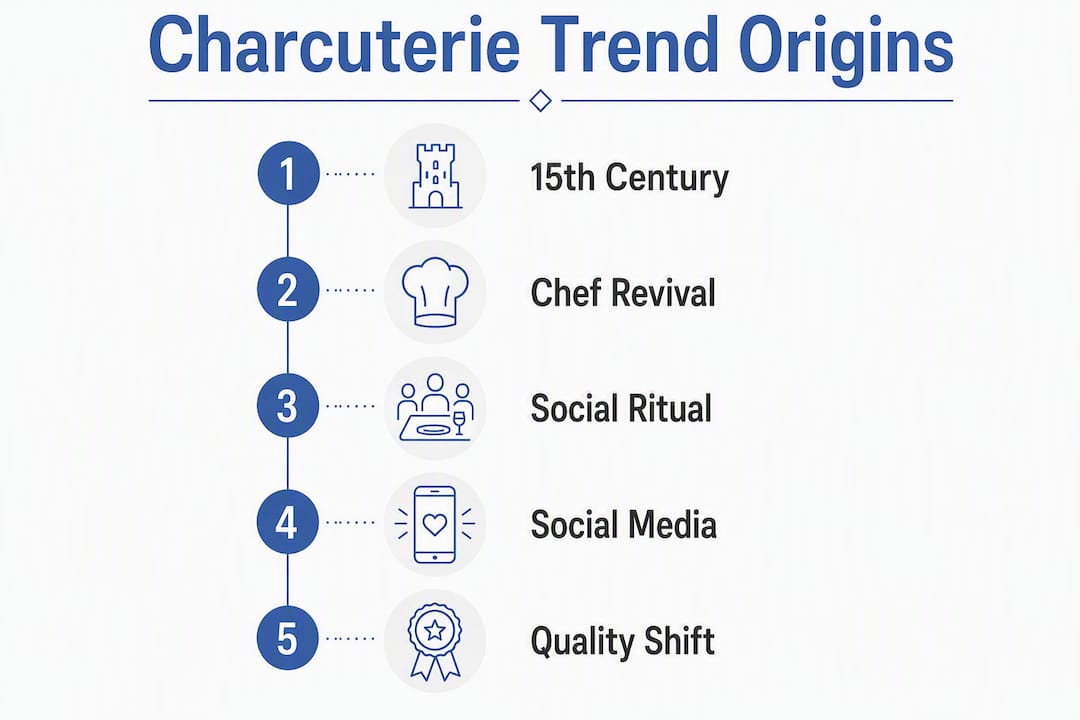
The word charcuterie derives from the French chair cuite, meaning cooked flesh, and the practice of curing and preserving pork dates to at least the 15th century in France, where guild-regulated charcutiers supplied towns with preserved meats through winter. The tradition spread across Europe over the following centuries, finding distinct regional expressions in Spanish embutidos, Italian salumi, and German Wurstwaren. These were, at their core, preservation technologies before refrigeration existed.
The modern board as a social centrepiece is a different creature entirely. Through the 20th century, cured meats migrated from the butcher’s counter to the wine bar, appearing on antipasto platters and cheese boards in French and Italian dining culture. The format remained largely restaurant-driven until the mid-2000s, when a revival took hold in the United States.
“Chefs revived old-world curing traditions in the mid-2000s, and easier import access helped popularise items like jamón serrano — bringing artisan charcuterie from specialist delis into mainstream entertaining.” — Food & Wine
That revival, fuelled by chef interest and the loosening of import restrictions on Spanish and Italian hams, reframed cured meats as a premium, aspirational category rather than a supermarket staple. From there, the leap to social media was swift. By the early 2010s, Pinterest boards (the digital kind) were filling with styled cheese and meat arrangements, and Instagram accelerated the format into a genuine cultural phenomenon. The charcuterie board had completed its transformation: from a preservation necessity to a refined social ritual.
| Period | Milestone |
|---|---|
| 15th century | French guild-regulated charcutiers formalise cured meat traditions |
| — | Cured meats spread through European wine bars and antipasto culture |
| Mid-2000s | Chef-led revival in the US; easier imports of jamón serrano and Italian salumi |
| Early 2010s | Pinterest and Instagram turn styled boards into shareable visual content |
| — | Pandemic-era home entertaining accelerates board culture; new formats proliferate |
| 2024–2026 | Quality-led pivot: artisan, single-origin, and health-conscious boards emerge |
Why do charcuterie boards resonate so deeply with modern social life?
The board’s cultural staying power is not accidental. It maps almost perfectly onto how contemporary Australians prefer to socialise: informally, inclusively, and with something worth photographing.
Psychology Today frames the charcuterie board as a social bridge, a format that removes the pressure of a formal sit-down meal and encourages relaxed mingling and extended conversation. When guests graze rather than sit to a plated course, the social dynamic shifts. There is no assigned seat, no prescribed pace, and no obligation to finish what is in front of you. The board becomes a shared object that draws people together around it, naturally generating conversation.
Social media added a second layer of motivation. Instagram and Pinterest transformed food arrangement into a form of self-expression and aspirational staging, where the quality of a board’s composition became as important as its flavour. Platforms like Instagram and Pinterest made visual presentation a performance in its own right, giving rise to themed boards, breakfast boards, and even candy or fast-food riffs. A well-arranged board is, in effect, content — and that has driven extraordinary creativity in the format.
The practical advantages compound the cultural ones. Boards are primarily assembly rather than cooking, which makes them an efficient, flexible option for hosts who want an impressive starter without extensive preparation. They accommodate dietary restrictions with minimal effort: a vegan section, a gluten-free corner, or a nut-free zone can be incorporated without redesigning the entire spread. For Australian gatherings, where dietary diversity is increasingly the norm rather than the exception, that flexibility is genuinely useful.
The quality dimension has grown more pronounced since 2024. Industry strategists note that consumers are seeking cleaner ingredients and smarter, personalised choices, with greater interest in minimally processed deli items and artisan cheeses. The board has become a vehicle for ingredient storytelling, where provenance and transparency matter as much as visual impact.
Pro Tip: Balance your board using contrasting flavour profiles: pair something salty and rich (aged manchego, prosciutto) with something acidic and bright (cornichons, quince paste) and something sweet and textural (honeycomb, candied walnuts). Menu logic — purposeful contrast in flavour and texture — is what separates a board that looks impressive from one that is genuinely satisfying to eat.
What formats are defining the trend right now?
Between 2024 and 2026, the charcuterie board has fragmented into a constellation of formats, each serving a different occasion or aesthetic sensibility. The maximalist, every-inch-covered board of the early Instagram era has not disappeared, but it now shares space with more considered, pared-back presentations that prioritise ingredient quality over sheer abundance.
The formats gaining the most traction include:
- Charcuterie cones: Individual paper cones filled with a curated selection of meats, cheeses, and accompaniments. Popular at weddings and cocktail events across Australia, they solve the portability problem elegantly.
- Jarcuterie: Layered ingredients assembled in small glass jars, ideal for individual servings at picnics, corporate events, or gifting. The format photographs well and travels without mess.
- Vegan and plant-based boards: Entirely free of animal products, these boards lean on marinated vegetables, cashew-based cheeses, hummus, seed crackers, and seasonal fruit. Demand for this format has grown steadily as plant-based eating becomes more mainstream in Australian food culture.
- Dessert and breakfast boards: Sweet iterations featuring pastries, fresh berries, chocolate, jams, and whipped cream have found a devoted following for brunch gatherings and celebrations.
- Seacuterie: A seafood-forward variation featuring smoked salmon, oysters, prawns, and caviar, which aligns naturally with Australia’s coastal culture and premium seafood access.
- Grazing tables: Full-table installations that function as an immersive food experience at weddings and large events, where the board concept scales to a communal centrepiece.
- Snackle boxes: Bento-style compartment boxes filled with board-style ingredients, designed for portability and individual servings at outdoor events or packed lunches.
The 2024–26 evolution is perhaps best characterised as a shift from Instagram spectacle to comfort with an upgrade: familiar flavours elevated with artisanal accompaniments and cleaner ingredient lists. High-end hosts now emphasise fewer, more premium items rather than overfilling boards, focusing on single-provenance meats, rare aged cheeses, and considered accents. In Australia, this translates to sourcing from local cheesemakers, seeking out single-origin cured meats, and incorporating seasonal produce from farmers’ markets.
Social media and demand for styled boards have also created a marketplace for artisanal and stylistic services, with charcuterie stylists and grazing table businesses emerging as a genuine small-business category at Australian weddings and corporate events.
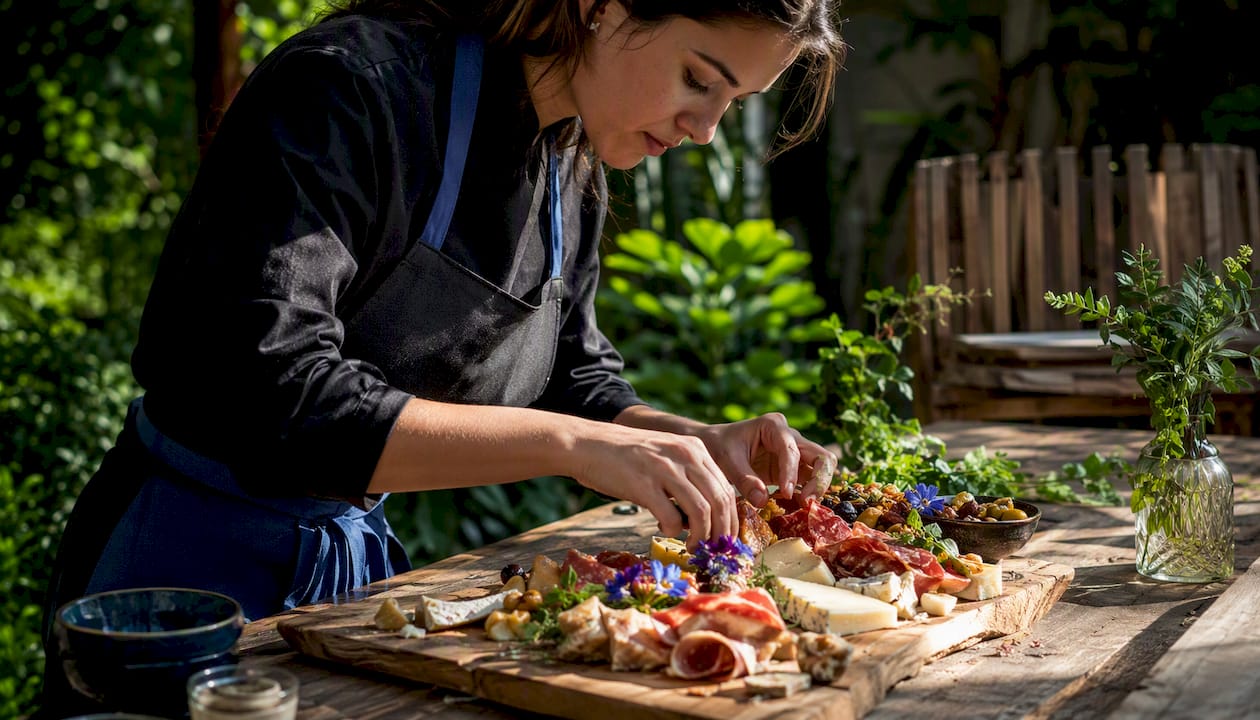
Pro Tip: For a seacuterie board with genuine distinction, consider adding a small portion of Baeri Signature Caviar as a centrepiece accent. A modest quantity of premium caviar elevates the entire board and gives guests a singular tasting experience they are unlikely to forget.
For a broader view of where gastronomy trends in 2026 are heading, chef-level observations confirm that provenance, seasonality, and ingredient transparency are the defining themes across all premium food formats, not just boards.
How do you build a board that actually works?
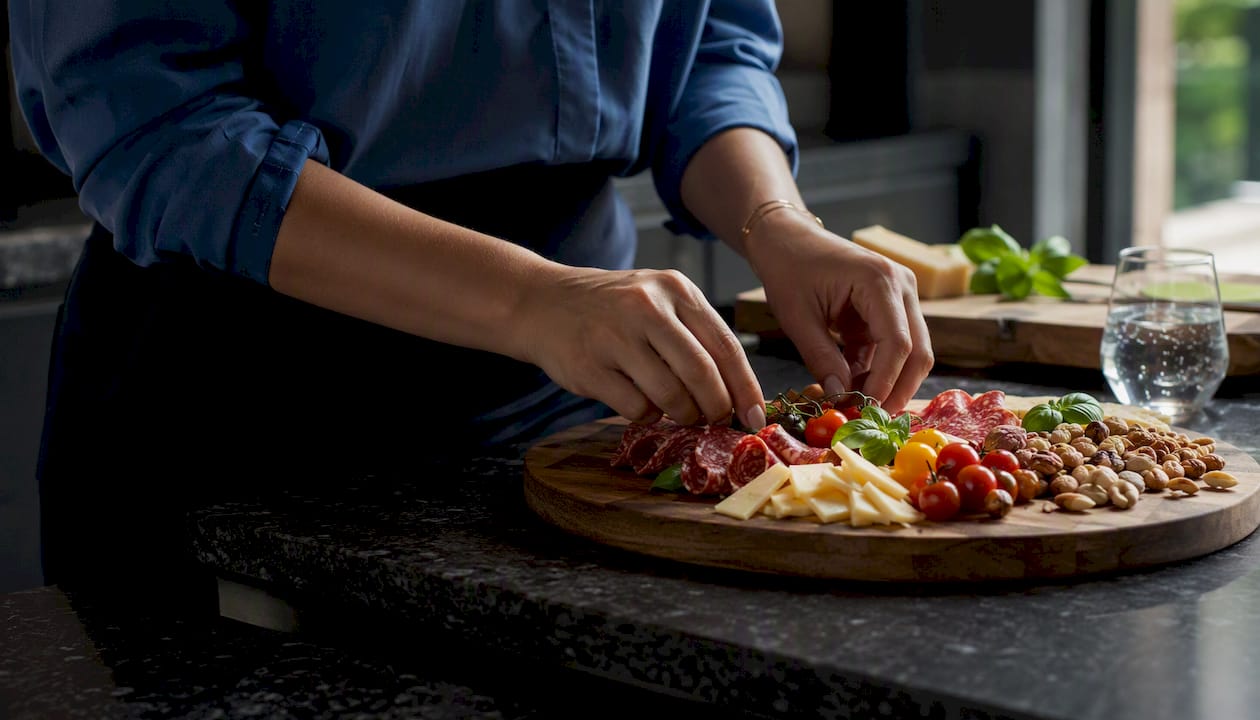
A well-constructed board follows a logic that experienced hosts and culinary professionals apply consistently. The goal is not to fill every gap but to create a composition that is visually compelling, texturally varied, and genuinely pleasurable to eat.
The 3-3-3 rule and when to move beyond it
The commonly cited 3-3-3 rule suggests three cheeses, three meats, and three accompaniments as a starting framework. It is a useful scaffold for beginners because it forces variety without overwhelming the builder. In practice, a more nuanced approach serves better: think in terms of flavour anchors (the bold, defining items), bridges (elements that connect flavours, such as a fig jam between a sharp blue and a mild brie), and textural contrasts (crunchy crackers against creamy cheese, firm salami against soft prosciutto). For premium boards, breaking the 3-3-3 rule in favour of two exceptional items rather than six adequate ones is often the stronger choice.
Step-by-step assembly
- Choose your board or vessel. A slate board, wooden platter, or marble surface each creates a different aesthetic. For portable formats, use a snackle box or individual jars.
- Place your anchors first. Set out small bowls or ramekins for dips, jams, and condiments. These define the board’s geography.
- Add cheeses. Aim for variety in milk type and texture: one firm aged cheese (such as a local aged cheddar or manchego), one semi-soft (brie or camembert), and one bold or crumbly option (gorgonzola or aged goat’s cheese). Allow cheeses to reach room temperature before serving, as cold cheese muffles flavour.
- Layer in the cured meats. Fold or fan prosciutto, arrange salami in overlapping rows, and tuck bresaola near a complementary condiment. Australian artisan producers offer excellent locally cured options worth seeking out.
- Fill with accompaniments. Crackers, grissini, cornichons, olives, quince paste, honeycomb, and seasonal fruit fill the gaps and provide the flavour bridges the board needs.
- Add fresh and delicate items last. Professionals add fresh fruit, soft herbs, and delicate components immediately before serving to preserve texture and prevent sogginess.
- Finish with visual accents. Edible flowers, a drizzle of good honey, or a small portion of caviar as a centrepiece accent elevate the presentation from attractive to memorable.
Australian shopping and cost guidance
- Budget tier (under $50): Supermarket brie, a local cheddar, one packet of prosciutto, crackers, olives, and seasonal fruit. Feeds 4–6 as a starter.
- Midrange tier ($80–$150): Add an artisan cheese from a local producer, a second cured meat (such as locally made coppa or bresaola), quince paste, honeycomb, and a small selection of premium crackers. Feeds 6–8 generously.
- Premium tier ($200+): Single-origin or imported aged cheeses, artisan cured meats, fresh figs or seasonal stone fruit, a quality condiment selection, and a luxury accent such as Baeri Signature Caviar or a sliver of aged truffle. Pair with a Champagne Extra Brut Blanc de Blancs Grand Cru for a genuinely celebratory spread.
Pro Tip: For shared grazing boards, keep raw and ready-to-eat items separated and replace any board that has been at room temperature for more than two hours. Clinical dietitians recommend incorporating colour variety and contrasting textures to boost both nutrition and visual interest simultaneously.
For the right serving tools, gourmet accessories designed for fine ingredients make a practical and elegant addition to any board setup.
Is the charcuterie board trend fading, or is it evolving?
The charcuterie board is not a passing fad. It is a format that has absorbed and adapted to successive cultural moments, from the mid-2000s chef revival to the Instagram era to the current quality-led phase, and each transition has made it more durable rather than less relevant.
The honest verdict: the maximalist, overfilled board of 2019–2022 has peaked. What is growing in its place is more interesting. The trend is bifurcating into two distinct directions. At the accessible end, portable and individual formats (cones, jarcuterie, snackle boxes) are expanding the board’s reach into new occasions: office lunches, outdoor events, and gifting. At the premium end, high-end presentation increasingly favours single-provenance items and artisan accents over abundance, with rare aged cheeses, single-origin meats, and considered luxury touches replacing the instinct to fill every gap.
The small-business dimension is also significant. Social media and demand for styled boards have created a genuine marketplace for charcuterie stylists and grazing table services at Australian weddings and corporate events, suggesting the format has moved well beyond a domestic hobby into a professional category.
Looking ahead, the most plausible directions include:
- Growth in experiential board formats that incorporate interactive elements (guests build their own, guided tastings, wine and board pairings).
- Continued expansion of health-conscious and plant-based iterations as dietary awareness deepens.
- Greater emphasis on provenance storytelling, where the origin of each ingredient becomes part of the hosting narrative.
- Portable, single-serve formats gaining ground at corporate events and outdoor gatherings.
Is the charcuterie board a passing fad? No. It has proven adaptable enough to evolve with each cultural shift, and the current move toward quality and transparency suggests it is entering a more sophisticated phase rather than a decline.
Elevate your next gathering with Aptent
For those who approach entertaining as a considered art form, the board’s most memorable iteration begins with ingredients of genuine distinction. Aptent’s curated collection of premium caviar, rare French champagnes, and artisan accompaniments offers everything needed to move a board from attractive to extraordinary. Whether you are composing a seacuterie centrepiece, seeking a singular luxury accent for a premium grazing table, or planning a private boutique event, Aptent Gourmet brings the same philosophy to every selection: fewer, finer, and sourced with intention. For those considering a fully curated experience, Aptent’s gourmet events service delivers bespoke wine and caviar pairings for private and corporate gatherings across Australia.
Key takeaways
Charcuterie boards remain culturally relevant because they function simultaneously as a social ritual, a visual medium, and a practical hosting format that adapts to almost any occasion or dietary preference.
| Point | Details |
|---|---|
| Social bridge function | Boards remove formal dining pressure, encouraging relaxed mingling and extended conversation. |
| Visual culture driver | Instagram and Pinterest transformed board arrangement into shareable content, expanding the format’s reach and creativity. |
| Low-effort, high-impact hosting | Assembly replaces cooking, making boards an efficient option for hosts who want impressive results without extensive preparation. |
| 2024–26 quality pivot | The trend has shifted from maximalist spectacle toward curated, single-provenance ingredients and cleaner, more transparent choices. |
| Format diversification | Cones, jarcuterie, vegan boards, seacuterie, and grazing tables have extended the format into new occasions and audiences. |
Aptent’s perspective on the board’s enduring appeal
The charcuterie board’s longevity is not difficult to explain once you understand what it actually does for people. It is not, at its core, a food trend. It is a social technology: a format that makes hosting feel generous and considered without demanding culinary expertise, and that gives guests something to gather around, discuss, and share. That function does not go out of fashion.
What does shift is the standard of ingredients, and this is where the conversation becomes genuinely interesting. The boards that circulated on social media between 2018 and 2022 were often more about visual abundance than flavour integrity. A slate covered edge-to-edge with supermarket brie and pre-sliced salami photographs well enough, but it rarely delivers a tasting experience worth remembering. The boards that leave an impression are built on the same principle that governs all great food: restraint in quantity, precision in selection, and an understanding of how flavours interact.
The vibrant food presentations that define the current premium end of the market share a common characteristic: each element earns its place. A single portion of properly aged manchego alongside a sliver of jamón ibérico and a spoonful of good honey tells a more compelling story than twenty items assembled without intention. Add a thoughtful wine pairing and the board becomes a complete sensory experience rather than a platter of snacks.
Aptent’s approach to curated entertaining reflects this philosophy. The move toward quality, provenance, and transparency that industry observers are tracking in 2025–26 is not a new direction for the brand; it has always been the starting point. When a board is built around ingredients with genuine character, whether that is a single-origin caviar, a vintage champagne, or an aged cheese from a prestige producer, the format fulfils its highest purpose: it creates a moment that guests remember.
Recommended
- Gourmet cheese and wine pairing: the expert guide – APTENT. GOURMET
- The French Wine Regions You Should Know (And Why They’re Making a Come – APTENT. GOURMET
- What is a gourmet gift hamper: the definitive guide – APTENT. GOURMET
- Classical French cuisine: history, techniques, and iconic dishes – APTENT. GOURMET


