
How gourmet experiences are curated: the insider's guide
Gourmet experience curation is defined as the deliberate, end-to-end process of selecting ingredients, designing menus, crafting atmosphere, and coordinating service to produce a personalised dining event of exceptional quality. The industry term for this practice is experiential fine dining, and it sits at the intersection of culinary artistry and event production. 92% of high-net-worth culinary travellers prefer private dining over restaurant settings. That preference signals a fundamental shift: discerning guests no longer want a meal; they want an authored experience. Understanding how gourmet experiences are curated means understanding every layer of that authorship, from the provenance of a single ingredient to the precise timing of a final course.
How are high-quality ingredients sourced for gourmet events?
Ingredient sourcing is the foundation of every curated gourmet event. The quality of what arrives on the plate is determined long before the kitchen fires are lit. Chefs working at the highest level treat sourcing as a creative act, not a procurement task.
The criteria for selecting premium ingredients centre on three principles: seasonality, provenance, and sensory integrity. Seasonality means sourcing produce at its natural flavour peak rather than forcing year-round availability through cold-chain logistics. Provenance means knowing the farm, the fishery, or the producer by name and visiting them when possible. Sensory integrity means rejecting ingredients that are visually perfect but flavourless. Culinary innovation requires serving food at its flavour peak rather than prioritising visual spectacle. That principle shapes every sourcing decision a serious chef makes.
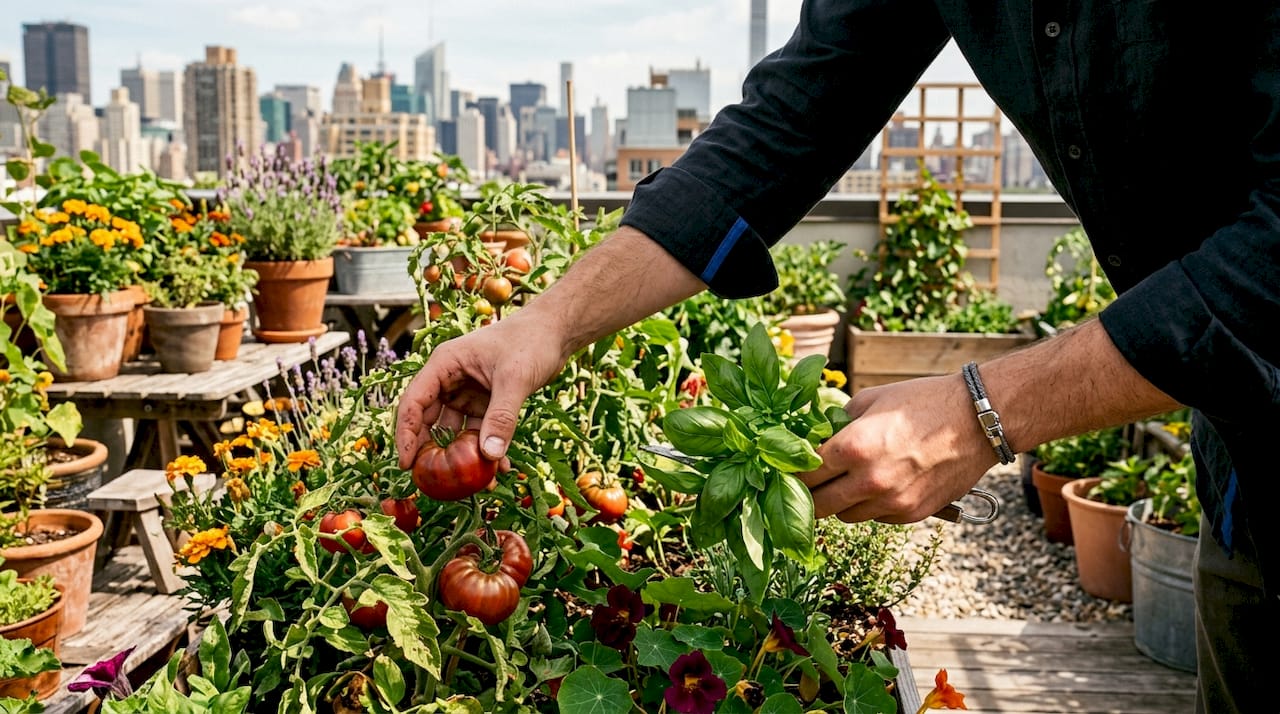
Artisanal producers form the backbone of gourmet ingredient networks. A chef curating a private dinner might source heritage-breed lamb directly from a single property in regional Victoria, hand-dived scallops from a Tasmanian fisherman, and black truffle from a licensed forager in the Périgord. Each relationship takes years to build and delivers ingredients unavailable through commercial distributors. For caviar, the sourcing standard is even more exacting. Aptent works directly with prestigious producers to supply signature Baeri caviar that meets the provenance and quality standards required for high-end events.
Sustainable sourcing has moved from a marketing preference to a genuine curatorial standard. Guests at luxury events increasingly ask where ingredients come from, and a chef who cannot answer that question in detail loses credibility. Local sourcing also improves menu cohesion: when ingredients share a regional identity, dishes tell a coherent story rather than a collection of unrelated showpieces.
Pro Tip: Build your ingredient list before your menu, not after. When you source first and compose second, the menu reflects what is genuinely exceptional rather than what you planned to cook.
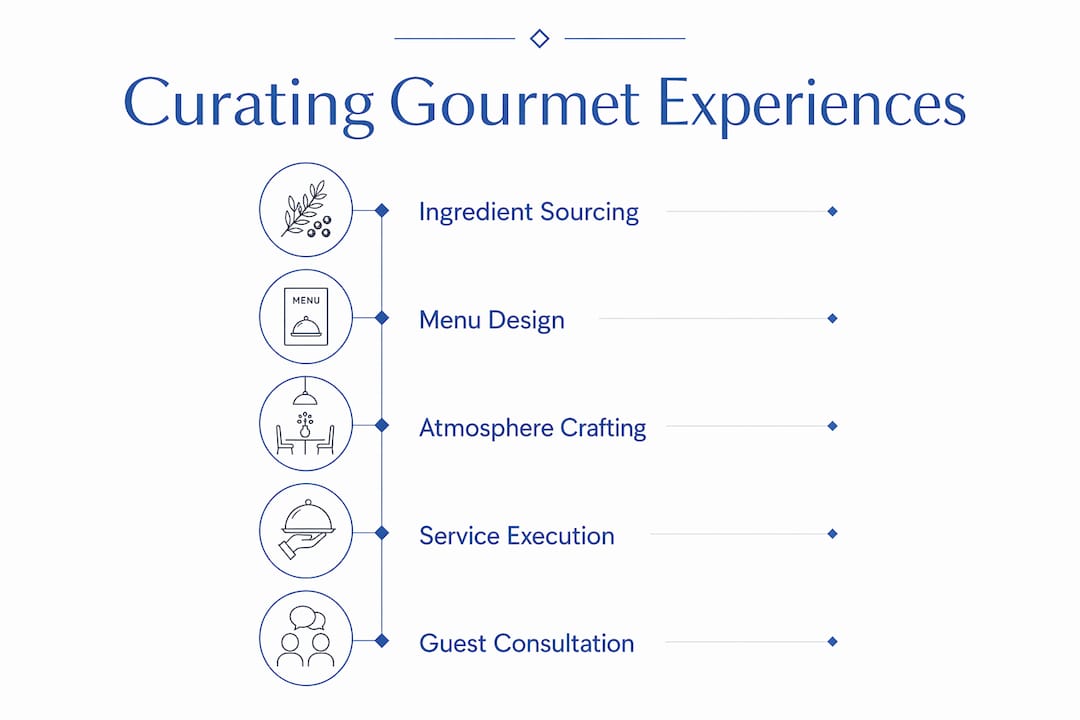
What are the steps to designing a tailored gourmet tasting menu?
A chef-curated tasting menu is the centrepiece of any curated gourmet event, and its design follows a structured process that begins well before a single dish is conceived. The 28% rise in fine dining establishments offering tasting menus reflects consumer demand for ingredient-focused gastronomic narratives. That demand requires a menu design process that is both personal and architecturally sound.
The steps to designing a tailored menu are as follows.
-
Initial guest consultation. The chef or event planner conducts a detailed conversation with the host and, where possible, the guests. Curated culinary experiences begin with collaborative guest conversations that map personal memories, cultural backgrounds, and dietary restrictions. This consultation shapes every subsequent decision.
-
Thematic anchoring. A strong tasting menu has a unifying idea. That idea might be a regional cuisine, a seasonal harvest, a colour palette, or a personal narrative drawn from the guest consultation. The theme gives each course a reason to exist beyond its own flavour.
-
Course progression. A 5–8 course tasting menu moves from light and delicate to rich and complex, then resolves with a dessert that provides contrast and closure. Each course must earn its position in the sequence. A heavy dish placed too early exhausts the palate before the meal reaches its peak.
-
Dietary and cultural integration. Restrictions are not obstacles; they are creative parameters. A guest who avoids shellfish requires a substitute that matches the textural and flavour role of the original dish, not a lesser alternative.
-
Beverage pairing. Wine or beverage selection is not an afterthought. Each course benefits from a pairing that either mirrors or contrasts its dominant flavours. A guide to pairing wine with tasting courses is an indispensable resource for event planners building a complete menu. For events featuring a gin tasting component, understanding gin tasting menu structure adds another dimension to beverage curation.
-
Rehearsal and refinement. The chef prepares the full menu at least once before the event, adjusting seasoning, portion size, and timing. The host reviews and provides feedback. This collaboration between chef and host is what separates a curated experience from a catered one.
How is atmosphere crafted to complement gourmet dining?
Atmosphere is not decoration. It is the environmental argument for why this meal, in this space, at this moment, is worth full attention. High-end atmosphere depends on layered lighting and sound control to create warmth without compromising visibility or background noise levels. That balance is harder to achieve than it sounds.
The key atmospheric elements in gourmet experience design are:
- Layered lighting. Ambient light sets the mood; task lighting ensures guests can see their food clearly. Candlelight alone creates warmth but obscures the visual artistry of plated dishes. A combination of low ambient overhead light and focused table illumination solves both problems.
- Sound design. Music should support conversation, not compete with it. A volume level that allows two guests to speak without raising their voices is the correct level. Genre matters too: the musical register should match the culinary register of the event.
- Seating layout. Spacing between tables or guests affects both privacy and social energy. Private dining benefits from generous spacing that allows discreet conversation. Intimate gatherings benefit from circular or oval arrangements that include every guest in a single conversation.
- Décor and venue context. The physical environment should reinforce the menu’s thematic identity. A menu built around coastal Australian produce calls for a different visual language than one inspired by Burgundian wine culture.
Pro Tip: Walk the venue at the same time of day as the event, with the same lighting conditions. What looks elegant at noon can feel flat or harsh at 7:30 PM.
Subtle environmental factors carry more weight than most event planners realise. The temperature of a room, the texture of a tablecloth, the weight of a piece of cutlery: each detail contributes to a guest’s subconscious assessment of quality. Gourmet experience design attends to all of it.
What logistics and service elements define a high-end dining event?
Flawless logistics are invisible to guests. That invisibility is the measure of success. Silent, discreet service allows guests to remain fully present in the experience while the operational machinery runs without interruption. The moment a guest notices the logistics, the experience has fractured.
The critical service elements in gourmet event planning are:
- Course pacing. Pacing between courses should be precisely 12–18 minutes to balance conversation and engagement. Too fast, and guests feel rushed. Too slow, and the energy of the meal dissipates.
- Silent service. Plates are placed and removed without interrupting conversation. Water is refilled without being asked. Wine is poured at the correct moment, not the convenient one.
- Kitchen coordination. Each course must leave the kitchen at the precise moment the previous course is cleared. This requires a clear communication system between front-of-house staff and the chef.
- Staff training. Service staff at private gourmet events require training in fine dining protocols, including correct plate placement, wine service, and the language used to describe each dish.
The table below outlines the service standards that define high-end private dining.
| Service element | Standard |
|---|---|
| Course pacing | 12–18 minutes between each course |
| Menu courses | 5–8 courses with full chef management |
| Service style | Silent and discreet throughout |
| Staff briefing | Full run-through before guests arrive |
| Kitchen-to-table communication | Real-time coordination for each course |
Managing cleanup and kitchen operations efficiently is equally important. A private chef typically manages end-to-end service including sourcing, cooking, service, and cleanup. That end-to-end accountability removes the coordination burden from the host and preserves the atmosphere of the event through to its conclusion.
Key takeaways
Gourmet experiences are curated through a deliberate sequence of ingredient sourcing, personalised menu design, purposeful atmosphere creation, and precisely timed service that together produce a dining event of lasting distinction.
| Point | Details |
|---|---|
| Sourcing precedes menu design | Select ingredients at their seasonal peak before composing dishes, not after. |
| Guest consultation is non-negotiable | Map dietary needs, cultural backgrounds, and personal memories before writing a single course. |
| Atmosphere is a design discipline | Layered lighting, sound control, and seating layout shape guest perception as much as the food does. |
| Pacing defines the experience | Maintain 12–18 minutes between courses to sustain engagement without losing momentum. |
| Silent service is the gold standard | Guests should never notice the logistics; invisibility is the measure of service excellence. |
Aptent’s perspective on what most event planners get wrong
The most common mistake in gourmet event planning is treating the menu as the product and everything else as support. The menu is not the product. The experience is the product, and the menu is one of its components.
Aptent has observed that the events which generate the strongest guest responses are rarely the ones with the most technically ambitious food. They are the ones where every element, from the weight of the glassware to the temperature of the room, was considered with the same care as the dishes. A perfectly sourced piece of caviar served in a poorly lit room with indifferent service is a wasted ingredient.
The second mistake is under-investing in the guest consultation. A truly curated experience moves beyond static fine dining to a personalised conversation that maps memories and cultural backgrounds. That conversation is not a formality. It is the brief from which the entire event is designed. Skipping it produces a generic luxury event rather than a memorable one.
The third mistake is conflating spectacle with quality. Culinary innovation means serving food at its flavour peak, not producing the most visually dramatic plate. Guests remember how a meal tasted and how it made them feel. They rarely remember which dish had the most elaborate garnish.
For event planners and food enthusiasts alike, the discipline of gourmet experience design rewards patience and specificity. The more precisely you understand your guests, your ingredients, and your environment, the more confidently you can compose an experience that holds together from the first canapé to the final glass.
— Aptent
Aptent Gourmet: curated products for exceptional events
Aptent sources its products from the same philosophy that underpins every great gourmet event: provenance, quality, and authenticity above all else. The Aptent Gourmet events programme supports hosts and event planners with bespoke solutions for private dining, corporate entertaining, and luxury gifting. From Oscietre signature caviar to Grand Cru wines sourced from prestigious French houses, every product in the Aptent collection is selected to perform at the highest level of a curated tasting menu. For hosts who understand that the finest ingredients are the most direct expression of care for their guests, Aptent is the natural starting point.
FAQ
What does it mean to curate a gourmet experience?
Curating a gourmet experience means designing every element of a dining event with deliberate intent, including ingredient sourcing, menu composition, atmosphere, and service. The goal is a personalised, cohesive event that reflects the preferences and expectations of the guests.
How many courses should a gourmet tasting menu include?
A private gourmet tasting menu typically includes 5–8 courses, with full chef management of sourcing, service, and cleanup. Each course should progress logically from light to rich, then resolve with a contrasting dessert.
How long should each course take at a gourmet dinner?
The ideal pacing between courses is 12–18 minutes. This window maintains guest engagement and allows conversation to develop naturally without the meal losing its momentum.
What makes a meal qualify as gourmet?
A gourmet meal is defined by the quality and provenance of its ingredients, the skill of its preparation, and the intentionality of its presentation within a broader guest experience. Ingredient sourcing, personalised menu design, and attentive service are the three defining elements.
How does wine pairing contribute to a curated gourmet event?
Wine pairing amplifies the flavour profile of each course by either mirroring or contrasting its dominant characteristics. A well-chosen pairing elevates the guest’s perception of both the food and the wine, making the overall experience greater than the sum of its parts.


