
Wine pairing stations event ideas: the 2026 guide
Wine pairing stations are themed, interactive tasting setups where each station presents a specific wine alongside curated foods, clear labels, and guest engagement tools such as scorecards and voting cards. The industry term for this format is a “wine flight station,” and it sits at the intersection of structured tasting education and social entertainment. The best wine pairing stations event ideas combine a focused theme, 3–6 complementary food bites per wine, and operational details like palate cleansers and dump buckets that keep guests comfortable across multiple pours. When you elevate events with wine pairing, the result is a gathering that guests remember long after the last glass is cleared.
What makes wine pairing stations event ideas work
The foundation of any successful wine flight station is a clear, repeatable structure at each stop. Effective station setups feature a single wine bottle, 3–6 matching food bites, and a label that tells guests exactly what to try together. That instruction removes the guesswork and turns a passive tasting into an active discovery.
Thematic organisation is the second pillar. Stations organised by country, style, price point, aroma category, or producer give guests a mental framework for comparison. Without a theme, even a superb wine selection feels like a random collection of bottles.
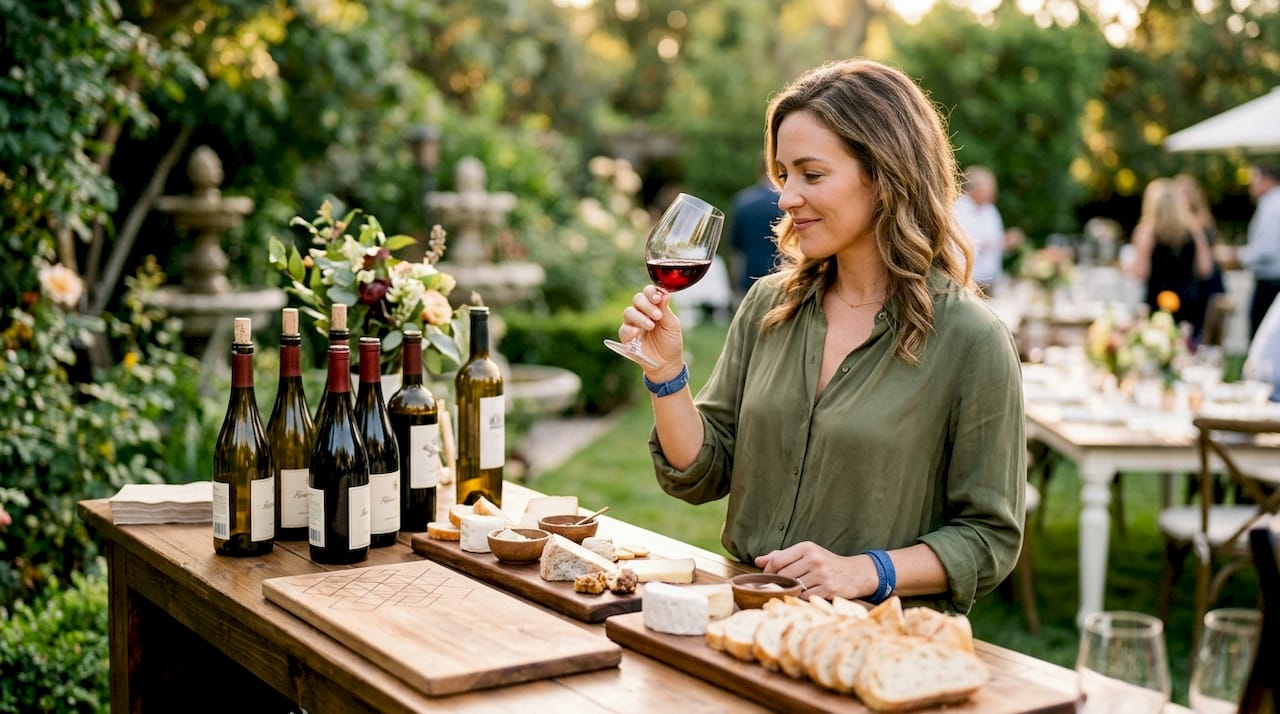
Operational essentials complete the picture. Every station needs a dump bucket, a water pitcher for rinsing, and printed scorecards for rating each wine and pairing. Smaller tasting glasses, typically 2 oz pours, allow guests to work through 6–8 wines without fatigue. Palate cleansers such as plain bread, crackers, and neutral cheese reduce tannin build-up between stations and keep the palate fresh.
Pro Tip: Space stations at least 1.5 metres apart and stagger guest arrival times by 10 minutes per group. This prevents bottlenecks and gives each guest time to engage fully with each pairing before moving on.
Creative wine pairing themes for standout events
Theme selection is where a good event becomes a great one. The right theme gives every station a distinct identity and gives guests a reason to compare notes with each other.
Country or appellation contrasts pit two expressions of the same grape against each other. A Burgundy Pinot Noir station beside a Central Otago Pinot Noir station, each with matched charcuterie, teaches guests how terroir shapes flavour without a single lecture. This format works especially well for wine tasting events where education is part of the appeal.
Style contrast stations use the same grape variety processed differently. An oaked Chardonnay station with buttery brie and roasted almonds beside an unoaked Chardonnay station with fresh oysters and citrus demonstrates winemaking technique through taste alone. Guests leave with a concrete understanding of what oak actually does to a wine.
Price point groupings make the event accessible to guests at every level of wine knowledge. A “value versus prestige” station pairing an entry-level Shiraz against a Grand Cru selection with matched lamb bites sparks genuine conversation about whether price equals quality.
Aroma or sweetness category stations suit guests who are newer to wine. Grouping wines by their dominant aroma profile, such as floral, earthy, or fruit-forward, gives guests a sensory vocabulary they can use immediately. This approach aligns with the principle that organising tastings by theme creates clear and creative station concepts.
Producer or vintage flights appeal to collectors and enthusiasts. A vertical tasting of three consecutive vintages from a single estate, each paired with a complementary bite, reveals how a wine evolves over time. This is a refined choice for high-net-worth gatherings where guests expect depth.
Dessert wine pairing stations follow one non-negotiable rule: the wine must be at least as sweet as the dessert. Dessert wine pairing rules exist because a dry wine served alongside a sweet dessert tastes sour and astringent by contrast. A late-harvest Riesling with a lemon tart or a Tawny Port with dark chocolate delivers the harmony guests expect.
Sparkling wine and luxury food stations offer a moment of pure indulgence. Pairing a grower Champagne with Baeri Signature Caviar or blini creates a station that guests photograph, share, and talk about for weeks.
Interactive activities that lift guest engagement
Passive tasting becomes memorable when guests have something to do beyond sipping. Structured interaction is the difference between a pleasant evening and an event guests actively recommend.
Printed scorecards are the simplest upgrade. A scorecard with columns for appearance, aroma, taste, and food match gives guests a framework for their impressions. Scorecards and clear labels transform wine tastings from passive to engaging social experiences, making guests more invested and comfortable throughout the event.
Station voting adds a competitive edge. Place a small voting box at each station and ask guests to nominate their favourite pairing. Tally the results at the end of the evening and announce a winner. This single activity creates a shared narrative arc for the whole event.
Blind tasting formats generate the most conversation of any wine event activity. Cover bottles with paper bags or sleeves and ask guests to identify the grape, region, or price point before revealing the label. Blind tasting events work best when bottle rules are defined precisely in the invitation. Asking each guest to bring two identical bottles of the same wine prevents the common failure where guests arrive with two different bottles, which disrupts scoring and comparison entirely.
Structured tasting note prompts at each station guide guests who feel uncertain about what to look for. A small card asking “What fruit do you smell?” or “Does this wine feel light or full in your mouth?” removes the intimidation factor and encourages genuine engagement.
Pairing discovery challenges add a playful dimension. Give guests a mystery food bite and ask them to visit each station to find the best match, then record their answer on a card. This format encourages guests to revisit stations and interact with wines they might otherwise skip.
Pro Tip: For blind tastings, include the bottle rules in the invitation itself, not just a verbal reminder on the night. Precise invitation instructions are critical to avoid logistical issues and enable effective scoring and comparison.
Practical tips for hosting wine pairing stations
Logistics determine whether a beautifully conceived event actually runs smoothly. The operational details below are the ones most hosts overlook until something goes wrong.
Dump buckets and rinse water are non-negotiable. Dump buckets at each station allow guests to discard pours without rinsing glasses repeatedly, keeping pace steady and interaction comfortable. Without them, guests either drink more than intended or feel awkward holding a glass they do not want to finish.
Glassware planning affects both budget and experience. Renting ISO tasting glasses for large events is more practical than purchasing. Smaller glasses, around 150 ml capacity, are ideal for tasting pours because they concentrate aromas and prevent overpouring.
Wine quantities follow a clear formula. Planning at approximately 2 oz per person per pour means a standard 750 ml bottle provides roughly 12 tasting pours. For an event with 6 wines and 20 guests, you need at least two bottles of each wine to be safe.
Palate management is as important as wine selection. Neutral palate cleansers such as water, plain bread, and mild cheese reduce tannin intensity and improve guest enjoyment across successive stations. Place cleansers at every station, not just a central table.
Scheduling and pacing keep the event from feeling rushed or stagnant. Allow 8–10 minutes per station for a group of 6–8 guests. Build a 15-minute buffer between the last station and any announcement or dinner service to let guests revisit favourites.
| Operational element | Recommended standard |
|---|---|
| Pour size per wine | Approximately 2 oz (60 ml) per guest |
| Wines per event | 6–8 for comparison without fatigue |
| Food bites per station | 3–6 complementary items |
| Palate cleansers | Water, plain bread, neutral cheese at every station |
| Glassware | ISO tasting glasses, 150 ml capacity |
Key takeaways
The most effective wine pairing stations combine a clear theme, 3–6 matched food bites, interactive scorecards, and operational essentials like dump buckets and palate cleansers to deliver a memorable guest experience.
| Point | Details |
|---|---|
| Theme drives engagement | Organise stations by country, style, price point, or aroma to give guests a clear comparison framework. |
| Pour size matters | Plan approximately 2 oz per guest per wine to balance enjoyment and practicality across 6–8 stations. |
| Interaction lifts the event | Scorecards, voting, and blind tastings turn passive tasting into active social participation. |
| Palate care is operational | Place water, bread, and neutral cheese at every station to reduce fatigue across multiple pours. |
| Blind tasting rules must be explicit | State bottle requirements in the invitation to prevent logistical confusion on the night. |
What Aptent has learned from hosting wine pairing events
The most common mistake hosts make is assuming the wine will carry the event on its own. It will not. Guests who receive no guidance at a station will spend 90 seconds there and move on. Guests who receive a scorecard, a pairing suggestion, and a conversation prompt will spend four minutes and return later.
The second lesson is that palate fatigue is invisible until it is too late. Guests rarely say they are overwhelmed. They simply stop engaging, start talking amongst themselves, and skip the final stations. Placing palate cleansers at every stop, not just a central table, is the single operational change that most improves the back half of any tasting event.
Theme selection should follow the audience, not the host’s personal preferences. A group of wine collectors wants a vintage flight or a producer comparison. A corporate group at a team event wants accessible themes with clear labels and a bit of competition. A wedding reception crowd wants something visually beautiful and easy to navigate. Pairing wine with tasting courses works best when the theme matches the occasion rather than the host’s cellar.
The events that generate the most post-event conversation are always the ones where guests felt they learned something without being lectured. A well-labelled station with a single question prompt achieves that far more effectively than a sommelier speech.
— Aptent
Aptent Gourmet: curated wines and event support
For event hosts and planners who want their wine pairing stations to reflect genuine quality, Aptent offers a curated collection of fine wines sourced from prestigious producers, including grower Champagnes, Grand Cru selections, and premium white wines suited to every station theme.
Aptent also supports gourmet events with bespoke services tailored to high-net-worth gatherings, from curated wine flights to luxury food pairings featuring signature caviar. For hosts who want to send guests home with a lasting impression, gourmet gift cards and curated accessories complete the experience. Visit Aptent Gourmet to browse selections aligned with your station themes.
FAQ
What is a wine pairing station at an event?
A wine pairing station is a themed tasting setup featuring a specific wine, 3–6 matched food bites, and clear labels or scorecards that guide guests through the pairing experience.
How many wines should a pairing station event include?
A well-organised event features 6–8 wines across separate stations. This number allows meaningful comparison without causing palate fatigue.
How much wine do I need per guest for a tasting event?
Plan approximately 2 oz (60 ml) per guest per wine. A standard 750 ml bottle provides roughly 12 tasting pours at that measure.
What foods work best at wine pairing stations?
Neutral palate cleansers like plain bread and mild cheese work at every station. Each station should also feature 3–6 foods chosen to complement the specific wine’s flavour profile.
How do I run a blind tasting at a wine pairing event?
Cover bottles with paper bags or sleeves and ask guests to identify the grape or region before the reveal. State the bottle rules, such as bringing two identical bottles, in the invitation to avoid confusion on the night.


