
Stop Guessing: 10 Corporate Tasting Formats for Planners, 4–6 Samples
For team bonding, run a blind tasting competition. For executive entertaining, host a curated champagne reception. For remote or hybrid teams, ship branded virtual kits with a live sommelier host. The single rule that governs everything else: match the format to the goal, not the other way round. These formats commonly feature a handful of samples per session as a reliable, well-tested starting point.
TL;DR:
- Blind tasting competitions with four to six samples over 60 to 90 minutes are ideal for team bonding, using scorecards and hints to ensure inclusivity.
- For hybrid events, shipping regional, fresh kits with a live host and a 60 to 90-minute session outperforms pre-recorded formats and minimizes logistical issues.
- Spending priorities should focus on a qualified host and product quality first, with branding and extras considered only after, to maximize engagement.
- Proper permits, insurance, and adaptable non-alcoholic options are critical logistics often overlooked, risking event cancellations or poor experience.
- Aptent offers turnkey corporate tasting experiences, sourcing premium wines, caviar, and champagne, with full management and legal compliance handling.
Table of Contents
- Ten corporate tasting ideas and how to run each one
- How do you choose the right tasting format for your event?
- What logistics matter most for virtual and hybrid tastings?
- What does a luxury, turnkey tasting experience actually include?
- Three mistakes planners keep making with corporate tastings
- How Aptent handles corporate tastings and gifting
- Sources
- FAQ
Ten corporate tasting ideas and how to run each one
Every good tasting format solves a specific problem: warming up a quiet room, rewarding competitive instincts, or giving executives something genuinely memorable to talk about afterward. The mechanics matter more than the price tag on the bottle. Event design guidance from The Wine Voyage makes the point plainly: structure, not product value alone, drives the engagement that makes these events worth running.
Here is the idea bank, sorted by what each format is actually good for:
- Blind tasting competition. Four to six samples, 60 to 90 minutes, teams score wines blind on region, grape and style before a dramatic reveal. Corporate tasting formats from Amazing Team Building confirm this is the format of choice for pure team bonding, largely because buzzers, “joker” hints and scorecards level the field between wine buffs and total novices.
- Perfect blend challenge. Small teams blend their own wine from base varietals to hit a brief. Best under 60 guests, and best for creative or product teams who enjoy building something rather than just judging it.
- Guided varietal flight. An educational, sommelier-led walk through four to six pours. Suits quieter groups, technical teams, or anyone who prefers learning over competing.
- Champagne or sparkling reception. A 45 to 90 minute mingling format built around premium fizz. This is the natural fit for client entertaining and executive functions, where sophistication matters more than a scoreboard.
- Spirits flight or cocktail craft off. High energy, competitive, ideal for afterwork functions and younger cohorts who want theatre as much as flavour.
- Coffee cupping or bean to bar chocolate tasting. A structured, non-alcohol alternative that still delivers sensory learning and comparison scoring, useful when the guest list includes non-drinkers or a daytime slot.
- Multi station tasting festival. Built to scale past 80 guests, with rotating stations and a small judging panel to keep pacing tight across a large floor.
- Food and wine pairing dinner. A warmer, slower format suited to sophisticated client dinners; explore station design ideas in this guide to wine pairing stations for practical layouts.
- Themed tasting tour. Built around a region, a producer story, or an ethical sourcing narrative. Story-led formats like this tend to outperform pure competition with senior audiences who want substance over gamification.
- Hybrid station format. Wine, spirits and non-alcohol options running side by side. The most inclusive option on this list, and the safest default when you don’t know your guest list’s drinking preferences in advance.
How do you choose the right tasting format for your event?
Six variables decide the format: audience seniority, the goal (bonding versus impressing versus educating), headcount, budget, venue restrictions, and how much time you actually have on the day. A 20-person start-up offsite and a 200-person client gala should never run the same activity, even if both call it a “tasting.”
Run this checklist before you brief a vendor or book a venue:
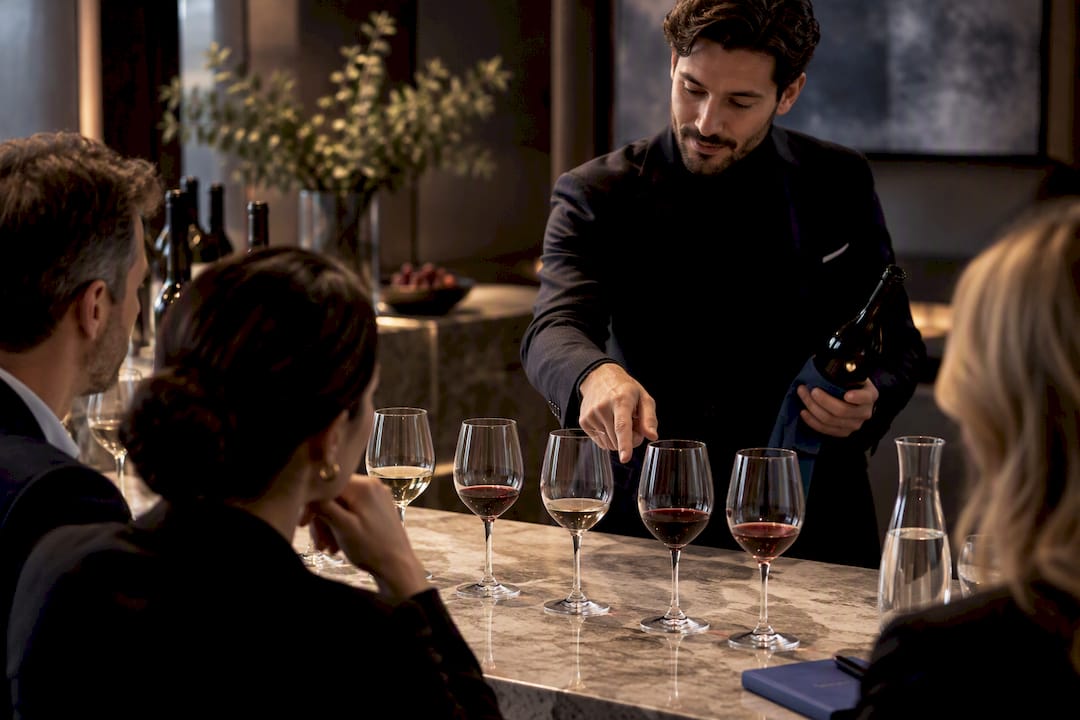
- Confirm the facilitator. A sommelier or trained host, not a staff member reading from a card, is what turns a tasting into an event.
- Lock glassware and scorecards for the sample count you’ve chosen.
- Check AV needs, especially for hybrid or virtual sessions with breakout groups.
- Get a Certificate of Insurance from any vendor pouring alcohol on-site. Legal guidance from LawPath flags COIs and alcohol-service permits as common deal-breakers that stall or cancel corporate bookings when left too late.
- Confirm your venue’s own alcohol-service rules and whether an external permit is required.
- Build at least one premium non-alcoholic option into every flight, not as an afterthought.
- Set your sample count (4 to 6 is the sweet spot) and pace accordingly, roughly 10 to 15 minutes per pour with discussion.
On budget: spend first on the host, second on product quality, and only third on branding and kit extras. A brilliant facilitator running modest wines beats a silent room with expensive bottles every time, as The Wine Voyage’s planning guide suggests.
Pro Tip: Book your sommelier or host before you finalise the venue. Good facilitators get booked out weeks ahead, and a rushed replacement is the single most common reason a tasting falls flat.
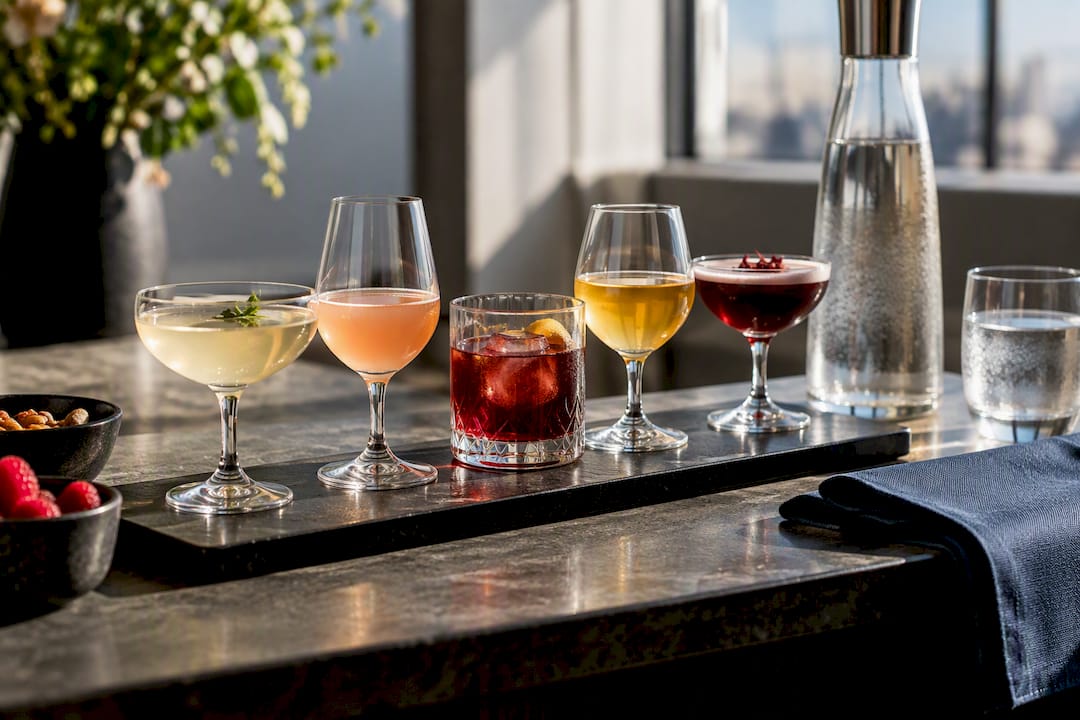
For inclusivity, don’t treat non-drinkers as an edge case. Build a genuinely premium alcohol-free flight into the standard package so it never reads as an afterthought on the day.
What logistics matter most for virtual and hybrid tastings?
Distributed teams need a different playbook, and most of the failures come down to timing and freshness, not the tasting itself.
- Kit contents: four to six samples, printed tasting notes, branded packaging, and a non-alcohol swap option for every kit.
- Shipping strategy: source from regional producers close to each recipient rather than shipping everything from one warehouse. Logistics guidance from GELevents notes this cuts cost and transit time while keeping premium products fresher on arrival.
- Session design: keep the live portion to 60 to 90 minutes, with breakout rooms for smaller group chat and a hard AV check the day before.
- Common pitfalls: kits arriving late, breakage in transit, time-zone mismatches across offices, and customs delays on premium items crossing borders.
Best practice on virtual formats points to one consistent driver of engagement: a live expert host paired with a genuinely well-designed kit outperforms a pre-recorded video every time.
What does a luxury, turnkey tasting experience actually include?
A fully managed corporate tasting removes the guesswork from sourcing, staffing and packaging. Aptent’s Privé events pair curated wine, caviar and champagne selections with sommelier-led hosting and branded kits, drawing on relationships with prestigious producers.
Two example scopes show the range:
- Executive reception: curated champagne and wine flight, sommelier host, premium non-alcohol pairing, branded glassware for 40 to 80 guests.
- VIP gifting programme: individually packaged wine, caviar and champagne selections for client or staff gifting, with corporate gifting fulfilment built in.
Before booking any vendor, request a sample pack, a Certificate of Insurance, and client references.
Three mistakes planners keep making with corporate tastings
Under-investing in facilitation is the most common one. A cheap host or no host at all flattens even the best product lineup, so book a proper sommelier and script the reveal moment before anything else. Ignoring non-drinkers is the second: build premium alcohol-free options into every kit, not as a late addition. The third is under-scoping logistics, particularly permits and insurance, which is why a checklist run 6 to 8 weeks out matters more than most planners assume. Measure success with engagement scores, post-event NPS, and whether the same team books you again.
— Aptent
How Aptent handles corporate tastings and gifting
Most corporate hosts spend more time chasing quotes, permits and glassware than actually planning the event itself. Aptent removes that entire layer by running the tasting end to end, sourcing rare wines, champagne and caviar from prestigious producers and pairing them with a sommelier host who handles the room, the pacing and the reveal.
The enquiry process is straightforward: you describe your headcount, goal and venue, Aptent proposes a format and sample selection, and a Certificate of Insurance and logistics plan follow once the scope is confirmed. For client-facing functions, a Gourmet Events package can sit alongside a Corporate & VIP gifting programme so guests leave with something as considered as the tasting itself. If you’re ready to scope a reception, blending session or client dinner, start an enquiry through APTENT Privé / Private Events.
Sources
- Corporate team building wine tours and blind tasting formats — Amazing Team Building
- Event planning legal considerations — LawPath
- Virtual tasting team building ideas — Tasting Experiences
- Event logistics and supplier coordination for distributed teams — GELevents
- Corporate wine tasting event: complete planning guide — The Wine Voyage
FAQ
What are some unique ideas for corporate events?
Beyond a standard wine tasting, try a blending challenge, a themed regional tasting tour, or a hybrid station pairing wine, spirits and non-alcohol options. Multi-station festivals work well for larger groups, while curated champagne receptions suit executive or client-facing functions.
What are some fun activities for a corporate event?
Blind tasting competitions with scorecards and a reveal moment consistently rank among the most engaging, using 4 to 6 samples over 60 to 90 minutes. Cocktail craft-offs and coffee cupping sessions also work well when you want energy without alcohol as the only option.
What are the five S’s of wine tasting?
The commonly taught sequence is See, Swirl, Smell, Sip and Savour, guiding tasters through colour, aroma and flavour before judging finish. A trained host or sommelier typically walks groups through this sequence during a guided flight to keep pacing and scoring consistent.
What is the 20 minute wine rule?
It refers to letting a wine breathe or reach the right serving temperature for around 20 minutes before pouring, which affects how aroma and flavour present in a tasting. For corporate flights, factoring this into your schedule matters more with reds and full-bodied whites than with sparkling wine.
Does Aptent run virtual or hybrid corporate tastings?
Event services can extend to curated kits and sommelier-hosted sessions suited to distributed teams, alongside in-person Privé events. Pricing and scope are available on enquiry through Gourmet Events.


