
Rare wine grape varieties: the connoisseur's guide
Rare wine grape varieties are defined as cultivated grape types grown in severely limited quantities, confined to specific regions, or rescued from near-extinction, prized by connoisseurs for their singular flavour profiles and historical depth. These are not simply obscure grapes. They represent living records of agricultural heritage, shaped by centuries of tradition and, in many cases, saved by the determination of individual growers. For enthusiasts who have moved beyond Cabernet Sauvignon and Chardonnay, these uncommon wine grapes offer something the mainstream cannot: genuine rarity, complexity, and the quiet thrill of drinking something almost no one else has tasted.
What makes a grape variety rare and sought-after?
Rarity in viticulture is defined by a combination of limited planting area, low yields, farming difficulty, and collector demand. A grape does not become rare simply because it is old. It earns that status through a convergence of factors that make it genuinely difficult to grow, source, and appreciate.
The most telling indicator is planted area. Some exotic grape varieties exist on fewer than 20 hectares globally, making their wines almost impossible to find outside specialist retailers or auction houses. Low yields compound the scarcity. When a vine produces less fruit per hectare than commercial varieties, the economics of farming it become punishing for growers without a passionate commitment to quality over volume.
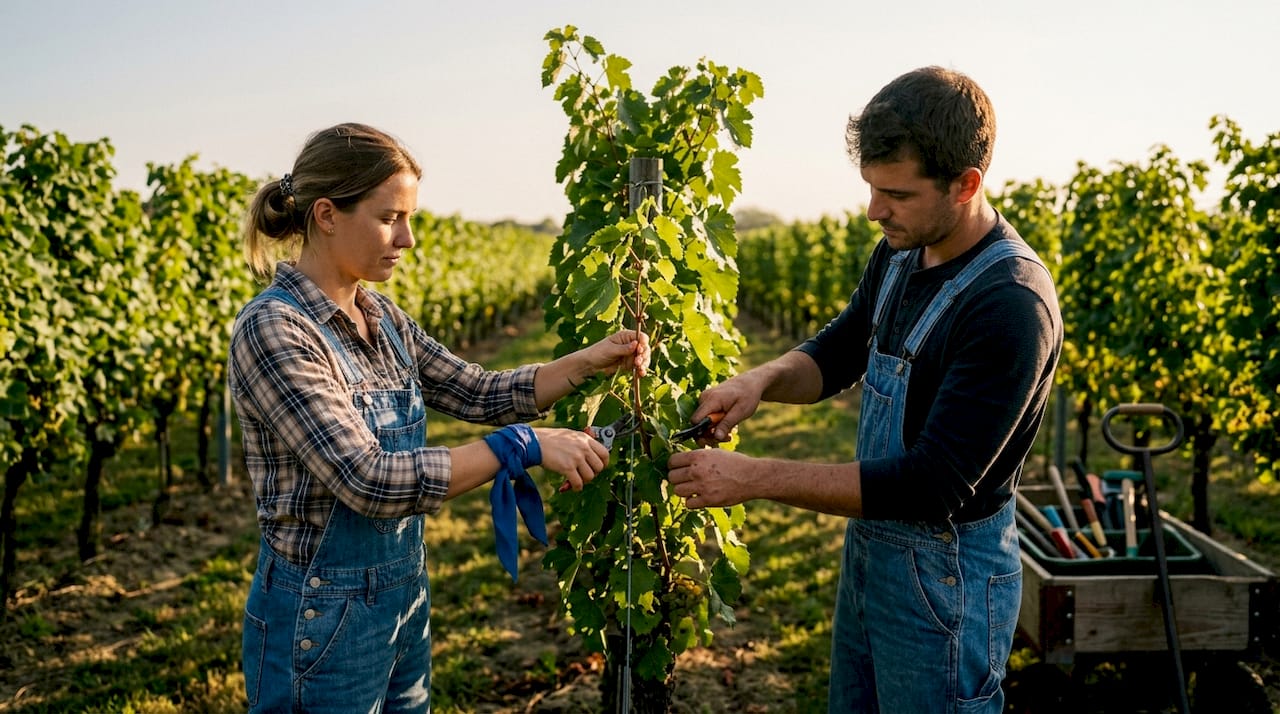
Historical near-extinction adds another dimension. Many lesser-known wine grapes survived only because a handful of growers refused to abandon them during the 20th century’s push toward high-yielding, disease-resistant varieties. That survival story becomes part of the wine’s identity and part of its appeal to collectors. Rare grape varieties earn cult status precisely because they offer a distinct vision of quality that sits entirely outside regional norms.
Farming challenges also play a decisive role. Varieties that demand intensive care, resist organic cultivation, or produce inconsistently across vintages tend to disappear from commercial production. The growers who persist with them do so out of conviction, and that conviction transfers directly into the bottle.
Pro Tip: When assessing whether a wine comes from a genuinely rare varietal, look for IGT or DOC classifications on Italian labels, or single-vineyard designations on Swiss and Georgian bottles. These classifications often signal that the grape itself required official recognition before it could be sold commercially.
Top rare white grape varieties connoisseurs should know
White wine grapes occupy some of the most compelling chapters in the story of viticultural recovery. Two varieties stand apart for their combination of quality, scarcity, and the extraordinary effort required to bring them to the glass.
Timorasso
Timorasso is a white grape from Piedmont, northern Italy, that came within a generation of disappearing entirely. Planted on just 0.5 hectares in 1985, it has since grown to 500 hectares by 2025, a revival that stands as one of the most dramatic in modern viticulture. That growth reflects both the grape’s quality and the sustained advocacy of growers who believed in it when the market did not.
The flavour profile of Timorasso is distinctive and age-worthy. Wines made from it typically show mineral intensity, notes of white peach and apricot, and a texture that approaches the richness of white Burgundy without mimicking it. The grape’s natural acidity gives it genuine cellaring potential, which is unusual among Italian whites and adds to its appeal for collectors. Walter Massa is the grower most credited with its revival, having championed it for decades against commercial indifference.
Räuschling
Räuschling is a white grape of Swiss heritage, concentrated almost entirely around Lake Zurich, with only 20 hectares planted globally. That figure alone places it among the rarest cultivated white varieties in the world. Its wines are lean, taut, and intensely mineral, with a citrus-driven profile that rewards careful cellaring and attentive pairing.
The grape’s cultivation demands are formidable. Räuschling requires between 7 and 12 spraying rounds per season, a figure that makes organic farming practically unworkable for most producers. That intensity of care, combined with modest yields, explains why the variety has never expanded beyond its Lake Zurich heartland despite producing wines of genuine distinction.
Pro Tip: If you encounter a Räuschling from a Lake Zurich producer, pair it with freshwater fish or aged Gruyère. The grape’s mineral edge and bright acidity cut through rich, savoury flavours with precision.
For those building a collection around unique wine grapes, pairing these whites with the right dishes transforms the experience. The expert guide to gourmet cheese and wine pairing offers a useful framework for matching these mineral-driven whites with aged and washed-rind cheeses.
Notable rare red grape varieties and their unique traits
Red grape varieties carry some of the most compelling stories in the world of rare varietals. Three stand out for their cult status, Georgian tradition, and Italian rediscovery.
Caberlot
Caberlot is a Tuscan hybrid of Cabernet Franc and Merlot, grown on a single estate in the Valdarno di Sopra zone. Its production is deliberately limited, with yields below 30 hectolitres per hectare, placing it firmly in the category of wines produced for quality rather than volume. The result is a wine of considerable concentration, with dark fruit, graphite, and a structural elegance that collectors associate with the finest Tuscan reds. Its cult status is well-earned and well-documented among serious collectors who track rare Cuvées across European appellations.
Usakhelauri
Usakhelauri is a red grape from the Lechkhumi region of Georgia, prized for its low yields and semi-sweet profile produced traditionally in qvevri, the clay amphorae that define Georgian winemaking. The grape’s scarcity is structural. It produces little fruit per vine, and the traditional fermentation method requires skill and patience that few producers outside Georgia possess. Wines made from Usakhelauri carry notes of dark cherry, dried rose petal, and a gentle sweetness that is balanced by firm tannin. They are unlike anything produced from mainstream red varieties.
Uva del Fantini
Uva del Fantini is a black-berried variety unique to Emilia-Romagna in northern Italy. Its path to recognition was long and bureaucratic. Official sanctioning for IGT wines came only after years of scientific classification work, reflecting how difficult it is to bring a previously undocumented variety into the formal wine system. The wines it produces are deeply coloured, with earthy, spiced fruit and a rustic character that speaks directly to the region’s agricultural identity. For enthusiasts seeking regional wine grape varieties with genuine provenance, Uva del Fantini represents a discovery of the highest order.
These three red varieties demonstrate that rarity in wine is never accidental. It is the product of geography, tradition, and the deliberate choices of growers who prioritise distinctiveness over commercial convenience.
Challenges and cultivation of rare grape varieties
Growing rare grape varieties is not a romantic pursuit. It is an exercise in sustained commitment against considerable agricultural and economic odds.
The most immediate challenge is disease susceptibility. Many rare varietals survived in obscurity precisely because they were abandoned when more resistant, higher-yielding varieties became available in the 20th century. Returning to them means accepting the farming conditions that made them difficult in the first place.
Räuschling illustrates this clearly. Its requirement of 7 to 12 annual spraying rounds makes organic certification nearly impossible, which limits both its appeal to environmentally conscious producers and its ability to command the premium pricing that would justify the labour cost. The variety persists because a small group of Swiss growers value its quality above its convenience.
Low yields create a parallel problem. When a vine produces less fruit, the cost per bottle rises sharply. Growers who farm rare varieties must either find buyers willing to pay a premium or absorb losses that commercial producers would never tolerate. This economic reality explains why revival efforts depend on visionaries who champion varieties over long periods, often against the prevailing commercial logic of their era.
- Identify the variety’s disease profile before planting. Some rare grapes require copper-based treatments that conflict with organic certification.
- Plan for low yields from the outset. Budget per-bottle production costs based on realistic harvest figures, not commercial benchmarks.
- Engage with ampelographers (grape variety scientists) early. Varieties like Uva del Fantini required years of scientific work before official recognition, and that process has direct implications for labelling and sales.
- Connect with existing growers of the variety. The community around rare varietals is small and generally willing to share knowledge that is not available in any textbook.
Pro Tip: Organic farming is rarely viable for the most disease-prone rare varieties. If sustainability matters to you as a collector, look for producers who use integrated pest management rather than full organic certification. The quality is often indistinguishable, and the farming is more honest about the grape’s actual needs.
How to seek out and appreciate wines from rare grape varieties
Sourcing uncommon wine grapes requires a different approach from buying mainstream bottles. The retail channels, tasting expectations, and storage considerations all differ from what most enthusiasts are accustomed to.
Specialist wine boutiques and auction houses are the primary sources for exotic grape varieties. General retailers rarely stock them, and when they do, the selection is limited to the most commercially viable expressions. Auction houses occasionally offer older vintages of varieties like Timorasso or Caberlot, which provide a rare opportunity to assess how these wines age. For collectors building a serious cellar, the expert guide to selecting wine for a collector offers a structured approach to identifying which rare varietals reward long-term cellaring.
Tasting rare varietals requires recalibrating expectations. These wines do not conform to the flavour profiles that most enthusiasts have built their palates around. Timorasso tastes nothing like Chardonnay. Usakhelauri bears no resemblance to Pinot Noir. Approaching them without preconceptions is the only way to appreciate what they actually offer.
Food pairing amplifies the experience considerably. The mineral intensity of Räuschling suits seafood and aged cheese. The structured tannins of Caberlot complement slow-cooked lamb or aged Pecorino. For enthusiasts who want to build a complete tasting experience around rare varietals, pairing them with a rare vintage wine dinner format provides the context these wines deserve.
Storage considerations for rare varietals mirror those for fine wine generally, with one important addition. Because production volumes are so small, replacement bottles are often unavailable. Storing rare varietals in a temperature-controlled environment, ideally between 12°C and 14°C, protects an investment that cannot be easily repeated.
Pro Tip: When tasting a rare varietal for the first time, open the bottle two hours before serving and use a wide-bowled glass. Many of these wines are unaccustomed to the oxygen exposure that modern wine service assumes, and they open dramatically with time in the glass.
Key takeaways
Rare wine grape varieties reward the connoisseur who seeks them out with flavour profiles, historical depth, and genuine scarcity that no mainstream wine can replicate.
| Point | Details |
|---|---|
| Rarity is structural | Limited planting area, low yields, and farming difficulty define true rarity, not age alone. |
| White varieties lead revivals | Timorasso grew from 0.5 to 500 hectares in 40 years, proving that quality drives recovery. |
| Red varieties carry cult status | Caberlot and Usakhelauri command collector interest through low yields and distinctive profiles. |
| Cultivation demands persist | Räuschling requires up to 12 spraying rounds per season, limiting organic farming and spread. |
| Sourcing requires specialist channels | Boutiques, auctions, and curated retailers are the only reliable sources for genuine rare varietals. |
Aptent’s perspective on the allure of rare grape varieties
The most honest thing one can say about rare grape varieties is that they expose the limits of conventional wine knowledge. Every connoisseur reaches a point where the familiar appellations no longer surprise. Barolo is magnificent. Burgundy is transcendent. But neither will give you the particular shock of tasting a Timorasso for the first time, when the wine’s mineral depth and structural tension arrive without any of the reference points you have spent years building.
What Aptent finds genuinely compelling about this category is not the rarity itself. Scarcity alone is not a virtue. What matters is that these varieties survived because someone believed in them when the market did not. Walter Massa replanting Timorasso in the Colli Tortonesi. Swiss growers maintaining Räuschling plots on Lake Zurich despite the farming economics working against them. These are acts of conviction, and the wines they produce carry that conviction in every glass.
The future of rare varietals is cautiously optimistic. Official classifications like IGT and DOC in Italy, and the growing interest in Georgian qvevri wines internationally, signal that institutional support is finally catching up with the growers who never stopped believing. For collectors, that means the window to acquire these wines at accessible prices may be narrowing. Timorasso’s trajectory from 0.5 hectares to 500 is instructive. Discovery precedes demand, and demand precedes scarcity of a different kind.
— Aptent
Aptent Gourmet’s curated selection of rare wines
Aptent brings the same curatorial rigour to rare wines that it applies to its celebrated caviar collection. The grand cru and rare wine collection at Aptent Gourmet is sourced directly from prestigious producers, with an emphasis on authenticity and provenance that mass-market retailers cannot match.

For those who want to pair rare wines with equally exceptional accompaniments, Aptent’s Baeri Signature Caviar offers a pairing of black gold alongside your finest bottles. The Aptent Gourmet collection also extends to gourmet accessories and bespoke gifting, making it the natural destination for connoisseurs who want to build an experience around the wines they collect. For those considering a private tasting event, Aptent’s gourmet events programme delivers boutique experiences tailored to discerning palates.
FAQ
What are rare wine grape varieties?
Rare wine grape varieties are cultivated grape types grown in severely limited quantities, often confined to specific regions or rescued from near-extinction. They are prized for distinctive flavour profiles and historical significance that mainstream varieties cannot replicate.
How do I identify a wine made from a rare varietal?
Look for IGT or DOC classifications on Italian labels, single-vineyard designations on Swiss bottles, and qvevri references on Georgian wines. These markers frequently indicate that the grape required formal scientific or regulatory recognition before commercial sale.
Which rare white grape variety is worth seeking out first?
Timorasso from Piedmont is the most accessible entry point. Its revival from 0.5 hectares to 500 hectares means availability has improved, while its mineral complexity and cellaring potential make it immediately rewarding for experienced palates.
Why are some grape varieties so difficult to farm organically?
Varieties like Räuschling require up to 12 spraying rounds per season to manage disease pressure, making organic certification practically unworkable. The intensive chemical management needed conflicts directly with organic farming standards.
Where is the best place to buy wines from rare grape varieties?
Specialist wine boutiques, auction houses, and curated luxury retailers like Aptent are the most reliable sources. General retailers rarely stock genuine rare varietals, and when they do, the selection is limited to the most commercially produced expressions.


