
Do sardines actually improve your skin, or is it just TikTok?
Yes, eaten regularly, sardines can support healthier, better-hydrated skin. They deliver a concentrated dose of omega-3 fatty acids and micronutrients that support the skin’s lipid barrier and calm inflammation, but they will not deliver a “glow” overnight, and no clinician recommends a sardine-only fast to get there.
The nutrients doing the work are well established:
- EPA and DHA (omega-3 fats) for barrier support and inflammation
- Vitamin D for cell turnover and immune regulation
- Selenium and zinc for antioxidant defence and repair
- Vitamin B12 for cell renewal
- Calcium, largely from the soft, edible bones
The practical takeaway is unglamorous but honest: two to three tinned servings a week, sustained over months, is what the evidence actually supports. A week of eating nothing but sardines is not a shortcut. It is a restrictive fad dressed up as a biohack.
Key Takeaways
Sardines support skin health through omega-3s, vitamin D, selenium, zinc, and B12, but only with consistent intake over weeks to months, never through a short-term fast.
| Point | Details |
|---|---|
| Core nutrients | EPA, DHA, vitamin D, selenium, zinc, and B12 work together to support the skin barrier and calm inflammation. |
| Recommended frequency | Aim for two to three tinned servings a week, roughly 80 to 100g per serving, sustained over months. |
| Eat the bones and skin | Soft bones in tinned sardines provide meaningful calcium and vitamin D that skinless fillets lack. |
| Skip the sardine fast | Short, sardine-only regimens are not supported for rapid skin change and risk nutrient gaps. |
| Choose lower-mercury, lower-sodium tins | Small oily fish carry less mercury than large predators; check labels and drain where needed. |
| An adjacent indulgence | Aptent’s curated anchovies and preserved seafood suit readers who want a premium step up from standard tinned fish. |
Table of Contents
- Sardines skin benefits: the nutrient profile behind the claim
- What does the research actually say about sardines and skin?
- How should you actually eat sardines for skin health?
- What are the risks of eating sardines regularly?
- Why the sardine fast trend doesn’t hold up
- The verdict on sardines and skin
- What the sardine trend gets wrong
- A different kind of tinned fish experience
- Frequently asked questions
- Sources
Sardines skin benefits: the nutrient profile behind the claim
Sardines earn their reputation through a genuinely dense nutrient package, not through any single miracle compound. The mechanism worth understanding first is inflammation, because chronic low-grade inflammation is implicated in dullness, breakouts, and premature ageing.
- EPA and DHA calm inflammatory pathways. These long-chain omega-3s integrate into cell membranes, including skin cells, where they help maintain the lipid barrier that keeps moisture in and irritants out. Peer-reviewed research on omega-3 and inflammation shows EPA and DHA reduce inflammatory biomarkers and protect against oxidative stress, mechanisms directly relevant to skin resilience.
- Vitamin D and calcium support cell turnover. A 100g serving of sardines contributes meaningfully to both, and if you eat the soft bones (which most tinned varieties include), you get a genuine calcium boost that skinless fillets simply do not offer, according to WebMD’s overview of sardines.
- Selenium, zinc, and B12 round out the repair toolkit. Zinc is a cofactor in wound healing and collagen synthesis; selenium is an antioxidant that helps neutralise the free radicals linked to skin ageing; B12 supports the cell renewal that keeps skin looking less tired.
A tin of sardines packs more than you’d expect. A standard 100g serving of canned sardines delivers around 208 calories and roughly 24.6g of protein, alongside meaningful vitamin D, calcium, and omega-3 content, all from one shelf-stable tin that costs less than a coffee.
None of these nutrients act alone. It is the combination, eaten consistently, that matters more than any individual figure on a nutrition panel.
What does the research actually say about sardines and skin?
The honest answer is that the evidence is real but indirect. No large clinical trial has fed people sardines and measured skin outcomes directly. What exists is a body of research on oily fish, omega-3 intake, and inflammatory markers, plus expert commentary connecting the dots.
- Regular oily-fish intake correlates with improved inflammatory markers in nutrition literature, and dermatologists interviewed on the topic broadly agree the mechanism is plausible for skin health.
- Dermatologists quoted in coverage of the viral sardine trend consistently make the same point: sardines are a legitimate, low-mercury omega-3 source, but they are not a substitute for sunscreen, sleep, or a broadly balanced diet, as reporting on the TikTok sardine trend makes clear.
- A widely read first-person trial found that eating tinned sardines for a week produced some subjectively noticed changes in skin texture, but the writer’s own conclusion was that a single week proves very little about cause and effect.
Dermatologists interviewed about the sardine trend describe the fish as a genuinely useful source of skin-relevant nutrients, while stressing that no single food acts as a standalone fix for skin concerns.
Short trials and social-media anecdotes are unreliable for a simple reason: skin cycles over roughly four to six weeks, and factors like sleep, stress, and hormonal fluctuation swamp any signal from one ingredient change. Where the evidence is genuinely strong is on inflammation biomarkers over sustained intake. Where it is thin is on measurable, photographed skin outcomes from short-term interventions. That gap is exactly what the TikTok trend glosses over.
How should you actually eat sardines for skin health?
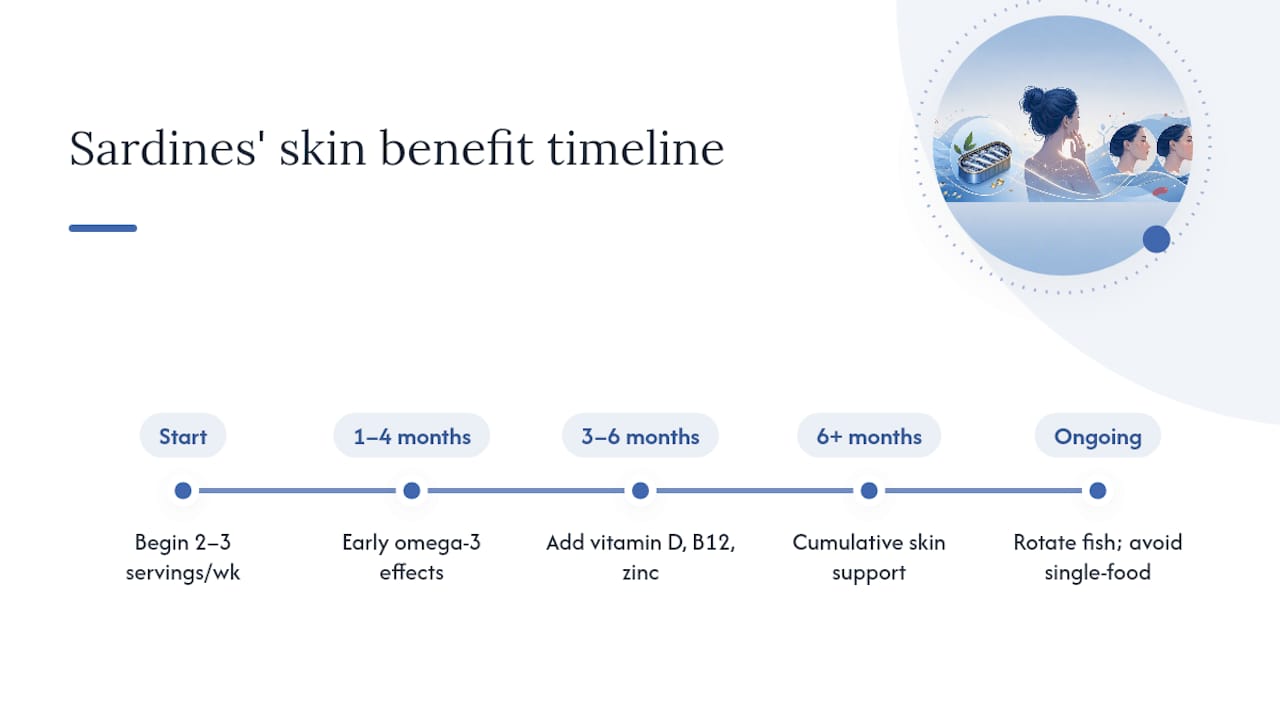
Consistency beats intensity. Two to three tins a week, at roughly 80 to 100g per serving, is the range nutritionists point to for sustained benefit without turning dinner into a chore.
- Pair sardines with vitamin C sources, such as capsicum, citrus, or leafy greens, since vitamin C supports the collagen synthesis that zinc and B12 help drive.
- Add wholegrains for sustained energy and fibre, rounding the plate out rather than making sardines the entire meal.
- Choose tins packed in olive oil or water over heavily flavoured varieties, and drain if you are watching sodium.
- Eat the skin and soft bones where the tin includes them. That is where much of the calcium and vitamin D live.
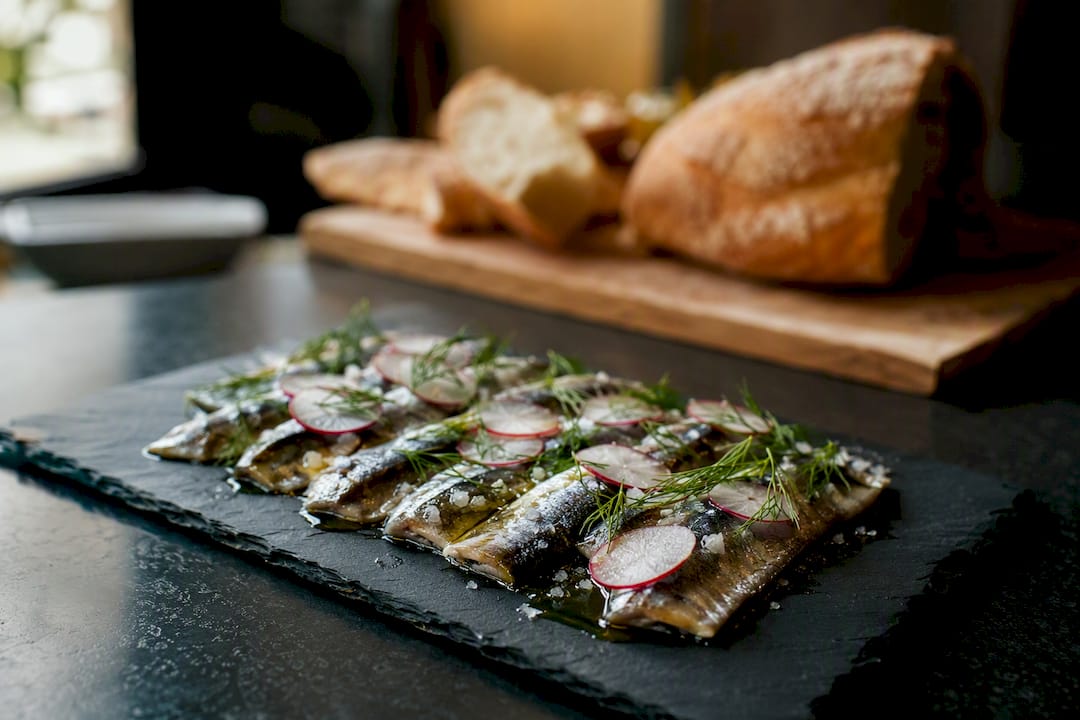
Three easy ways in: mashed onto sourdough with lemon and rocket, tossed through a wholegrain pasta with cherry tomatoes and chilli, or flaked into a green salad with avocado and a squeeze of lime. For broader plate inspiration built around nutrient-dense ingredients, seed-based meal ideas offer a useful template for building similarly dense meals around other whole foods.
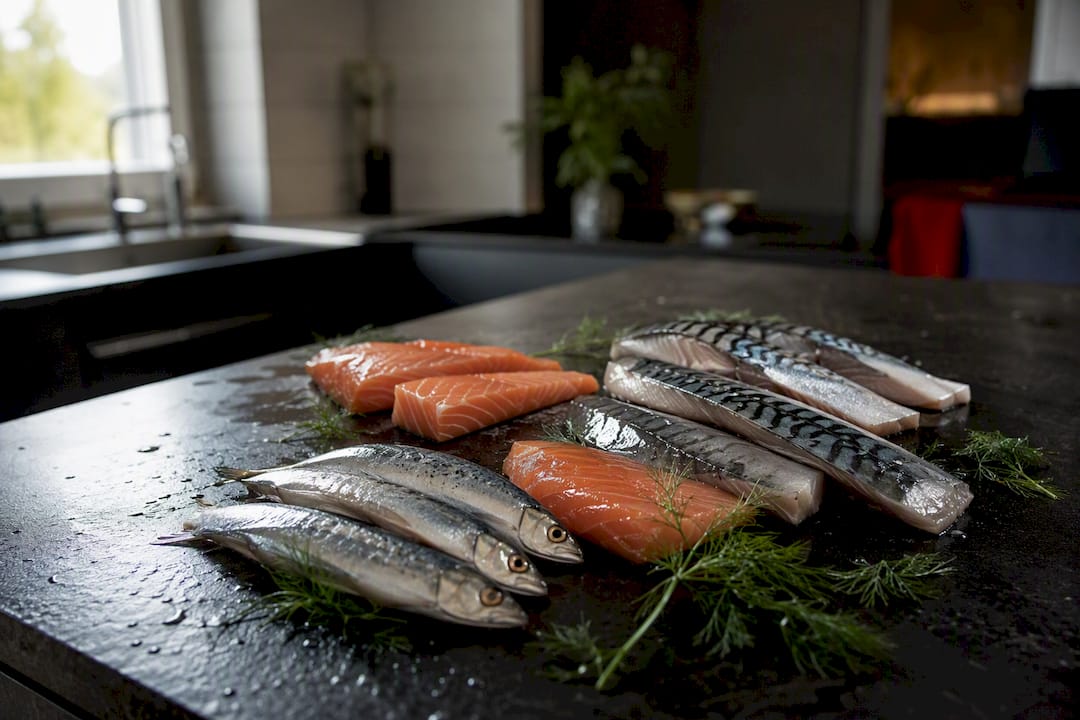
Pro Tip: Rotate sardines with mackerel and salmon across the week. Your palate stays interested, and you widen the spread of micronutrients beyond what any single oily fish provides.
What are the risks of eating sardines regularly?
Tinned sardines are convenient, but a few sensible checks keep them a genuine asset rather than a liability.
- Sodium: many tins are salted for shelf life. Check labels, choose low-sodium versions where available, and drain the liquid if you are managing blood pressure.
- Allergies: fish allergy is real and can be serious. If you have never eaten sardines before, introduce them cautiously and speak with a clinician if you have a known seafood allergy.
- Mercury: small, short-lived oily fish like sardines accumulate far less mercury than large predatory species, and Better Health Victoria’s guidance on mercury in fish supports regular consumption of small fish as a lower-risk choice.
- Nutrient gaps: eating sardines daily to the exclusion of other foods, as some viral “fasts” suggest, risks crowding out fibre, varied plant nutrients, and other protein sources your skin and body also need.
Why the sardine fast trend doesn’t hold up
Short, sardine-only regimens are not medically supported for rapid skin transformation. Nutritionists are consistent on this point: skin changes unfold over weeks to months, and they depend on the whole diet, not one ingredient eaten in isolation, a caution echoed in seafood nutrition guidance.
Anecdotal “before and after” results from these trends are often confounded by other changes happening at the same time.
- Better sleep during a self-improvement week
- Reduced alcohol or processed food intake alongside the fast
- Normal hormonal fluctuation being mistaken for a dietary effect
A safer, more durable approach is simple: fold sardines into a varied, anti-inflammatory pattern of eating rather than treating them as an isolated fix.
The verdict on sardines and skin
Sardines support skin health as part of a consistent diet, not as a rapid fix. Try one tin, twice weekly, for six to eight weeks, and track your overall diet alongside your skin. If concerns persist, see a dermatologist or dietitian.
What the sardine trend gets wrong
The conventional advice on this topic has quietly gotten backwards. Most coverage treats sardines as either a miracle or a gimmick, when the more interesting truth sits in between: the nutrient case for sardines is genuinely strong, and the delivery mechanism (a weeklong fast) is where the trend collapses.
What gets underestimated is how much the format of eating matters as much as the food itself. A tin of sardines eaten twice a week for six months will outperform seven straight days of sardines every time, because skin barrier repair is a slow, cumulative process, not a sprint. The TikTok version of this story sells urgency. The biology sells patience.
If there’s one thing worth prioritising, it’s swapping the question from “what should I eat this week to fix my skin” to “what can I sustainably eat twice a week for the next year.” That reframing does more for skin, and for sanity, than any 7-day protocol ever will.
A different kind of tinned fish experience
If sardines have earned a permanent place in your rotation, it is worth knowing there is a more refined tier of preserved seafood beyond the supermarket tin, and that is where Aptent lives. Aptent is not a health solution or a substitute for the dietary habits covered above. It is an adjacent indulgence for people who already care about what goes on their plate and want the next step up in quality.

Aptent’s curated anchovies collection showcases the same small, oily fish family prized for its nutrient density, sourced with the same attention to provenance that defines the brand’s approach to caviar and fine wine. For those building a broader gourmet pantry, or planning a private tasting event, Aptent’s full collection pairs premium preserved seafood with the kind of accompaniments (rare champagne, boutique caviar) that turn a healthy habit into an occasion. Browse the range and see what a genuinely elevated tin looks like.
Frequently asked questions
Do sardines really improve skin, or is it just a trend? The nutrient case is real. Sardines supply omega-3s and micronutrients tied to inflammation reduction and barrier support, but the improvement is gradual and depends on your whole diet, not a single food.
How many sardines should I eat per week for skin benefits? Most nutrition guidance points to two to three servings a week, at roughly 80 to 100g per tin, eaten consistently over months rather than in a short burst.
Can eating sardines every day be harmful? Daily, exclusive reliance on any single food, including sardines, risks nutrient gaps and excess sodium from tinned varieties. Rotate with other oily fish and a varied diet instead.
Is the TikTok sardine fast worth trying for clearer skin? No credible nutrition guidance supports short sardine-only fasts for rapid skin change. Any noticed improvement is more likely linked to sleep, hydration, or other lifestyle shifts happening at the same time.
Should I eat the skin and bones in tinned sardines? Yes, where the tin includes them. The soft bones and skin contribute meaningful calcium and vitamin D that you would otherwise miss with skinless fillets.
Sources
- Can the TikTok viral sardine trend really give you glowing skin? Dermatologists weigh in
- NSW Fisheries: Health and nutrition (seafood guidance)
- I tried eating tinned sardines for a week for better skin: did it work?
- Health benefits of sardines
- PMC review on omega-3 and inflammation (example peer-reviewed source)


