
5 Step Tasting to Tell Old World and New World Wines
Old World wines tend to emphasise place and restraint, with higher acidity and earthy or mineral notes; New World wines tend to emphasise ripe fruit, fuller body, and a more generous producer style. Neither rule holds absolutely, and the gap is narrowing every vintage. The fastest way to understand the difference isn’t to memorise a map. It’s to pour the same grape from both camps side by side and taste what changes.
TL;DR:
- Modern wines from both Old and New World regions blur traditional style differences due to climate change and vineyard management practices.
- Alcohol content is a key indicator: Old World wines tend to be moderate, while New World reds often display higher alcohol and perceived warmth.
- Structural differences include Old World wines having higher acidity and firmer tannins, while New World wines favor riper fruit and softer tannins.
- Food pairing guides are still useful: Old World wines match fatty dishes with acidity, and New World wines suit bolder, spiced foods with fruit and alcohol warmth.
- Tasting side-by-side of the same grape from different regions solidifies understanding, with blind tasting helping to remove bias about origin and style.
Table of Contents
- Old world vs new world wine: the taste and structure differences
- Where to find each style: regions worth exploring
- How appellation rules and grape-led labels change what you buy
- A practical tasting method to feel the difference yourself
- Why the old vs new world line keeps getting harder to draw
- Building a cellar that uses both worlds well
- Taste the difference without hunting down every bottle yourself
- Sources
- FAQ
Old world vs new world wine: the taste and structure differences
The clearest markers sit in the glass, not on the label. Alcohol is often the first tell: Old World wines typically land in a moderate alcohol range, while New World premium reds often exhibit higher alcohol levels, a gap that shows up as warmth on the finish rather than just a number on the back label. That extra alcohol reads as heat and weight in the mouth, especially in a Barossa Shiraz next to a cooler-climate Rhône red.
Acidity and tannin follow a similar pattern. Old World reds and whites carry leaner, more cutting acidity and firmer, sometimes grippier tannins, a structural backbone shaped by cooler growing seasons and, often, earlier picking. New World wines soften that edge: riper fruit at harvest means lower perceived acidity and rounder tannins that feel plush rather than austere.
Fruit and oak tell the rest of the story. Old World wines lean savoury, with notes of wet stone, forest floor, or dried herb sitting alongside the fruit rather than in front of it. New World wines usually put fruit centre stage, ripe cherry, blackberry, or tropical notes depending on the grape, often layered with a more overt vanilla or toast character from generous new oak.
- Old World: lower alcohol, higher acid, savoury and mineral, restrained oak
- New World: higher alcohol, softer acid, fruit forward, bolder oak signatures
- Both worlds now produce convincing exceptions to each rule
Old World wines pair naturally with rich, fatty foods because their acidity cuts through cream and butter, think Chablis with oysters or Barolo with braised short rib. New World wines suit bolder, spiced, or barbecued dishes where fruit-forward flavour and a touch of alcohol warmth stand up to the plate. None of this is absolute: a cool-climate Australian Chardonnay can taste closer to Burgundy than to a warm-climate Californian version, and a modern Rioja can carry riper fruit than some New World Tempranillo.
Where to find each style: regions worth exploring
Old World examples worth seeking out start with Burgundy, home to some of the most site-specific Chardonnay and Pinot Noir on the planet, best paired with roast chicken or mushroom dishes. Bordeaux built its reputation on Cabernet based blends suited to lamb, while Barolo in Piedmont turns Nebbiolo into a tannic, long-ageing red made for slow-cooked beef. Rioja offers Tempranillo with a savoury, oak-aged character that loves cured meats, and the Mosel in Germany produces Riesling with a piercing acidity that matches spiced or Asian-influenced food.
New World producers offer a different map. Marlborough in New Zealand built its name on zesty, aromatic Sauvignon Blanc, a natural match for goat’s cheese or fresh seafood. Yarra Valley and Tasmania now produce cool-climate Chardonnay and Pinot Noir with real restraint, closer in style to Burgundy than to warmer Australian regions, and worth trying alongside duck or salmon. Barossa and McLaren Vale remain the heartland for rich, fruit-driven Shiraz, ideal with grilled red meat, while Napa delivers structured, fruit-forward Cabernet suited to steak, and Mendoza in Argentina turns high-altitude vineyards into plush, approachable Malbec that pairs well with chargrilled dishes.
- Burgundy Chardonnay/Pinot Noir → roast chicken or mushroom risotto
- Bordeaux Cabernet blends → lamb
- Barolo Nebbiolo → slow-braised beef
- Rioja Tempranillo → cured meats
- Mosel Riesling → spiced or Asian cuisine
- Marlborough Sauvignon Blanc → fresh seafood
- Yarra/Tasmania cool-climate whites and reds → duck or salmon
- Barossa/McLaren Vale Shiraz → grilled red meat
- Napa Cabernet → steak
- Mendoza Malbec → chargrilled dishes
The overlap is the interesting part. Cool-climate Australian regions like Tasmania, the Yarra Valley, and Mornington Peninsula are increasingly capable of Old World style restraint, which means geography alone no longer predicts what’s in the bottle.
How appellation rules and grape-led labels change what you buy
Old World winemaking runs on strict appellation systems. France’s AOC and Italy’s DOCG frameworks dictate which grapes can be planted, how high yields can go, and sometimes even ageing requirements before a wine can carry a regional name. These rules can control grape varieties, yields, and methods in ways that New World systems generally don’t, which is part of why Old World labels lead with place rather than grape: a Chablis label assumes you already know it means Chardonnay.
New World systems, like Australian Geographical Indications or American AVAs, define where grapes were grown but rarely dictate how the wine is made. That flexibility gives producers room to experiment with blends, oak regimes, and picking times, which is a big part of why New World labels put the grape variety front and centre instead.
To read a bottle quickly:
- Check whether the front label names a place or a grape. Place-first usually signals Old World; grape-first usually signals New World or a grape-led marketing approach.
- If it’s place-led, look up what grapes that appellation permits, since the label won’t spell it out.
- If it’s grape-led, check the back label for a specific vineyard or sub-region if you want more precision on style.
- Treat vintage as more decisive in Old World wines, where seasonal variation shows up strongly in the glass; New World wines tend to show less year-to-year swing.
A practical tasting method to feel the difference yourself
Reading about the difference only gets you so far, tasting is what actually locks it in. Sommeliers routinely recommend a simple protocol: pick the same grape variety from an Old World and a New World region and taste them side by side, ideally at a similar price point and vintage so the comparison isn’t skewed by quality gaps.
- Choose your pair. Chardonnay works well: a Chablis against a cool-climate Australian Chardonnay from the Yarra or Tasmania. For Pinot Noir, try a Burgundy village wine against a Central Otago or Yarra Valley example.
- Pour both into identical glasses at the same, slightly cool room temperature so neither shows an unfair advantage.
- Taste lighter before heavier, and work through look, smell, then taste in that order, noting colour depth first.
- Score each wine on acidity, alcohol warmth, fruit character, tannin texture, and any oak or mineral notes you pick up.
- Compare notes side by side rather than relying on memory between pours.
Pro Tip: Ask someone else to pour and cover the labels before you taste. Blind tasting strips away the bias that comes from already knowing which glass is “supposed” to taste riper, and it forces you to trust your own palate rather than the region’s reputation.
If you want a structured version of this exercise built around actual food pairings, our guide to pairing wine with tasting courses walks through matching structure and flavour to specific dishes.
Why the old vs new world line keeps getting harder to draw
The dichotomy is losing its edge for a simple reason: winemaking has gone global. Climate change and improved vineyard management have produced cooler, more restrained styles from regions once known for ripe, high-alcohol wines, while some traditional European regions are now dealing with riper vintages than they saw a generation ago. The stereotypes are starting to swap places in parts of the map.
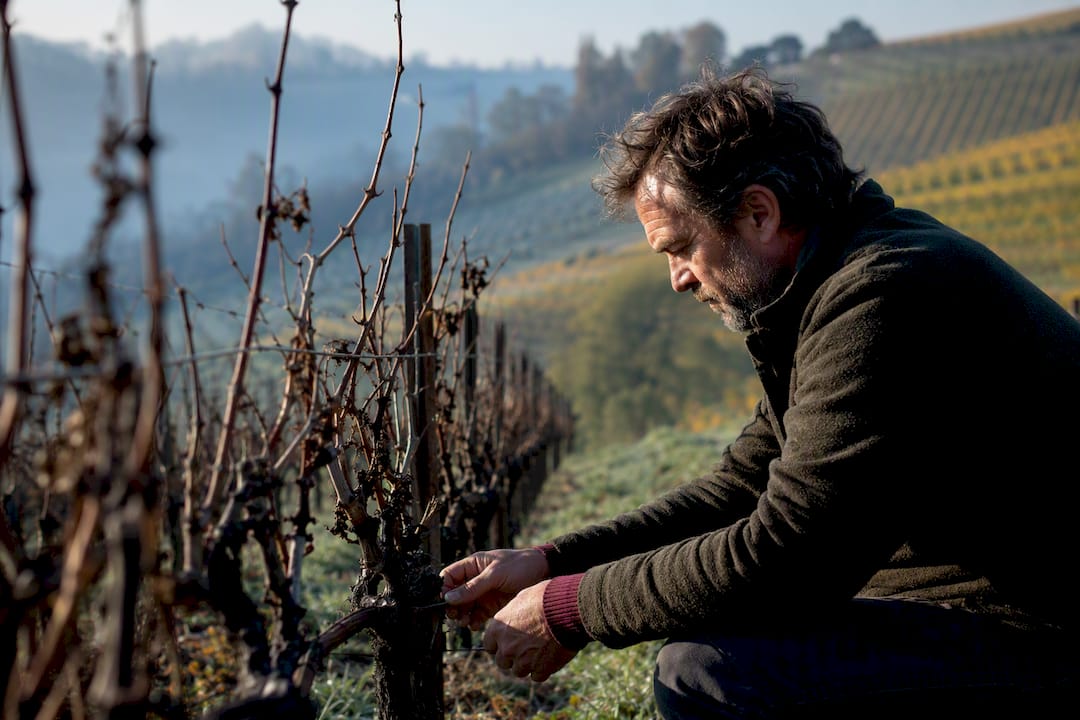
Producers everywhere now borrow techniques freely, and genuine terroir expression shows up in both categories rather than being an Old World exclusive. A useful practitioner’s shortcut: when hunting for an Old World style regardless of where the bottle is from, look for terms like “site,” “cool climate,” “low intervention,” or “minerality” on the back label rather than relying on the country of origin alone. Style, not geography, is the more reliable guide now.
Building a cellar that uses both worlds well
We think the smartest cellars don’t pick a side. Old World bottles bring precision and food-pairing versatility; New World bottles bring immediate generosity and approachability for casual drinking. Stocking both gives you the right bottle for a quiet Tuesday dinner and a special occasion alike, and a curated tasting event is the quickest way to learn the difference by palate rather than theory. For more structured learning, our natural wine guide is a good next stop.
— APTENT
Taste the difference without hunting down every bottle yourself
Building a cellar that spans both styles usually means sourcing from a dozen different importers, chasing allocations, and guessing at quality before you’ve tasted a drop. Rare, hard-to-find wines from both Old World and New World regions are curated to make sourcing easier before the bottle reaches you.
Our wine collection is built around exactly this kind of comparison, with bottles chosen for authenticity and provenance rather than volume. If you’d rather taste guided than guess alone, APTENT Privé private events run bespoke side-by-side tastings, and our Gourmet Events service can build a pairing evening around exactly the Old versus New World comparisons covered here. Browse the collection or enquire about a private tasting to start building a cellar that covers both camps properly.
Sources
- What’s the difference between Old World and New World wine? — Mercer Wine
- Old World vs New World wine — Wine With Seth
- Old World vs. New World wine — Food & Wine
- Forget Old vs New World — how the wine map is being redrawn — Decanter
FAQ
Which is better, Old World or New World wine?
Neither is objectively better, they’re different styles suited to different moods and dishes. Old World wines suit those who want structure, food-friendly acidity, and savoury complexity; New World wines suit those who want immediate, fruit-forward drinking pleasure.
What is the difference between Old World and New World wine?
Old World wine comes from Europe’s traditional regions and tends toward higher acidity, lower alcohol, and place-led labelling shaped by appellation rules. New World wine comes from newer producing countries and tends toward riper fruit, fuller body, and grape-first labelling that’s easier for shoppers to decode.
What are considered Old World wines?
Old World wines come from Europe’s historic producing countries, including many classic European wine regions. Classic examples include Burgundy, Bordeaux, Barolo, Rioja, and Mosel Riesling.
What is considered New World wine?
New World wine comes from producing countries outside Europe’s traditional heartland, including Australia, New Zealand, the United States, Argentina, and Chile. Production in these regions has expanded significantly since around 1970, with Marlborough Sauvignon Blanc, Barossa Shiraz, Napa Cabernet, and Mendoza Malbec among the best known styles.
Is it better to buy by region or by grape variety?
Buying by grape variety is the easier starting point, especially for New World bottles where the label already tells you what’s inside. For Old World wines, learning a handful of key regions pays off fast, since the region effectively tells you the grape and the style once you know the convention.


